
Research & Innovation

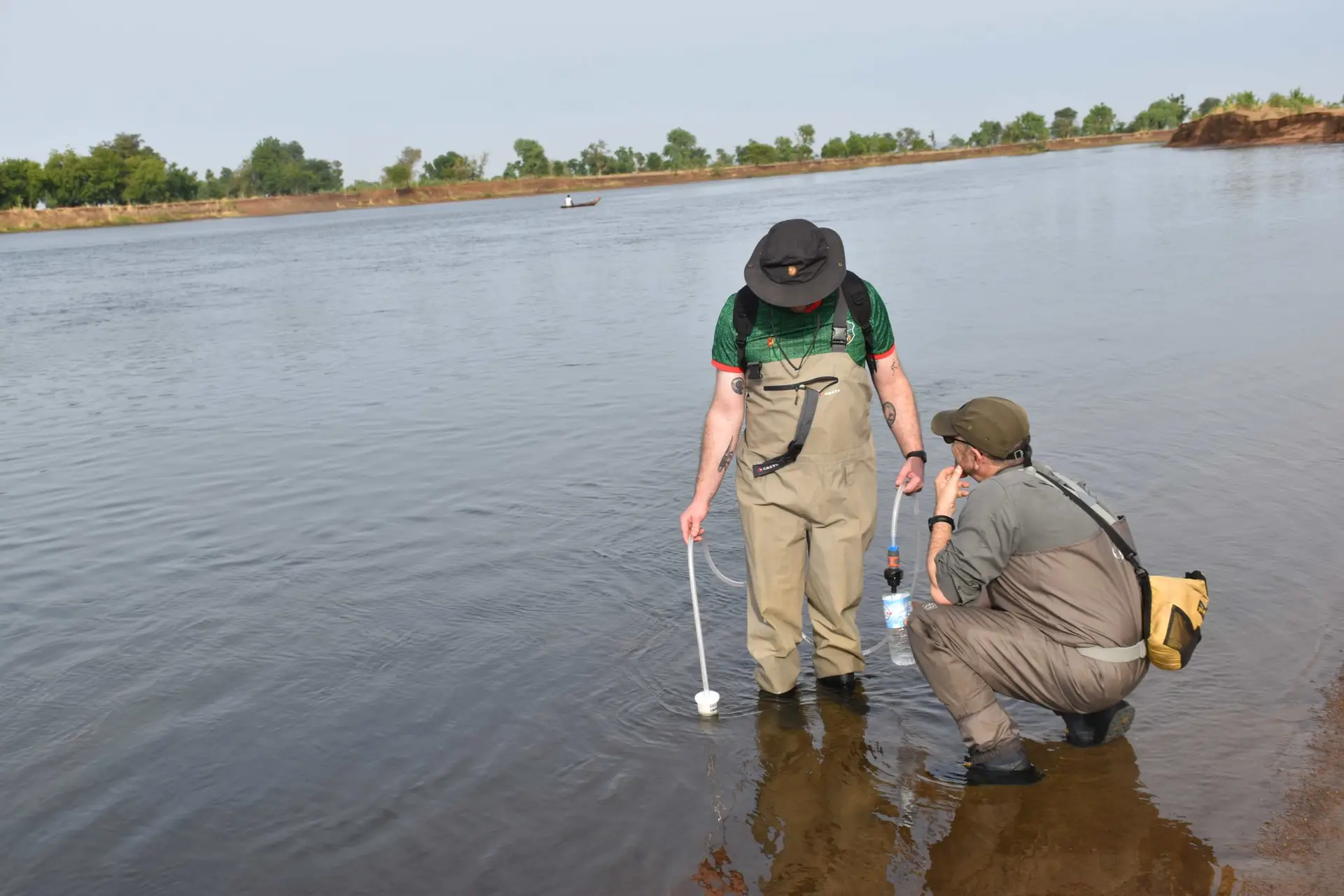
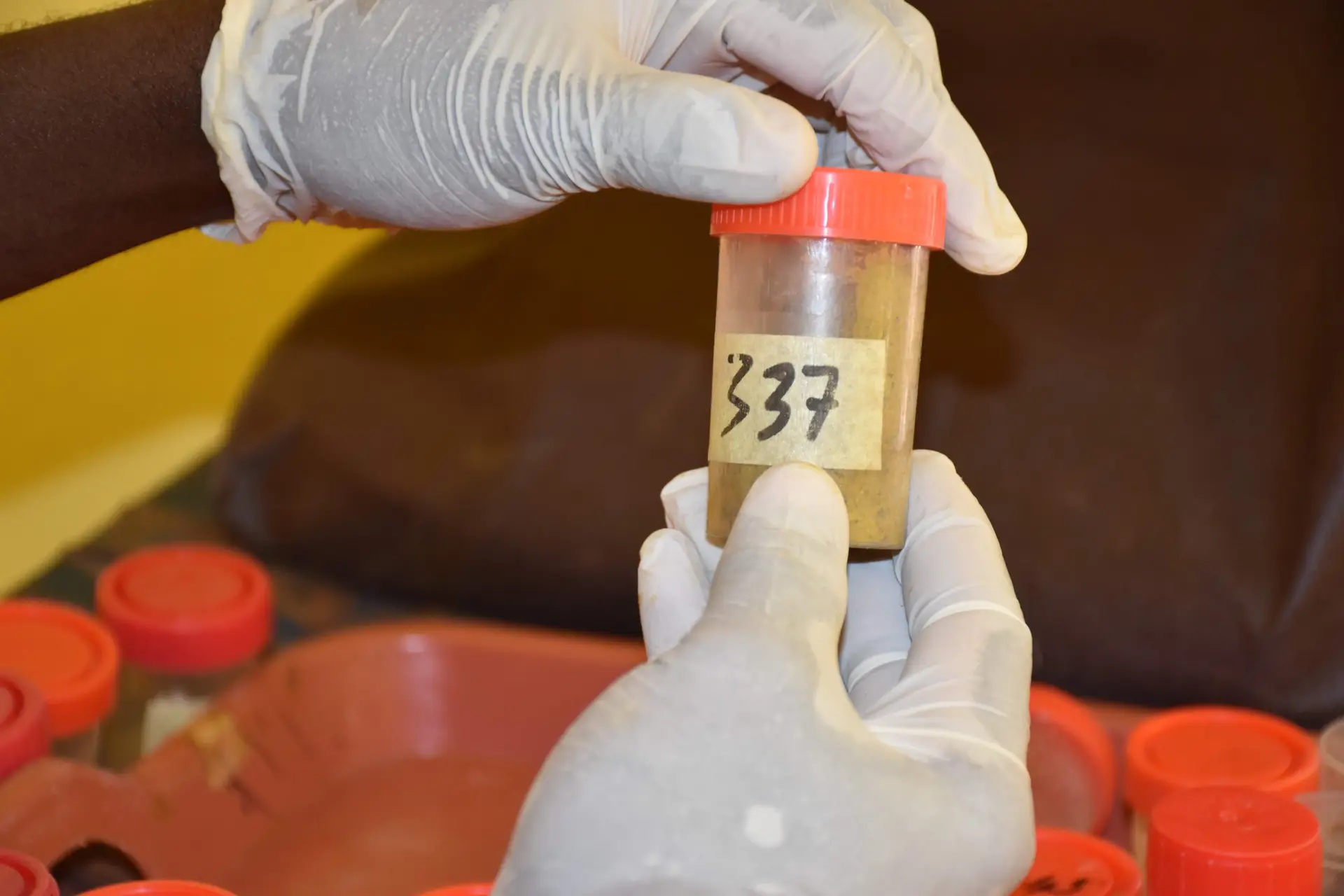
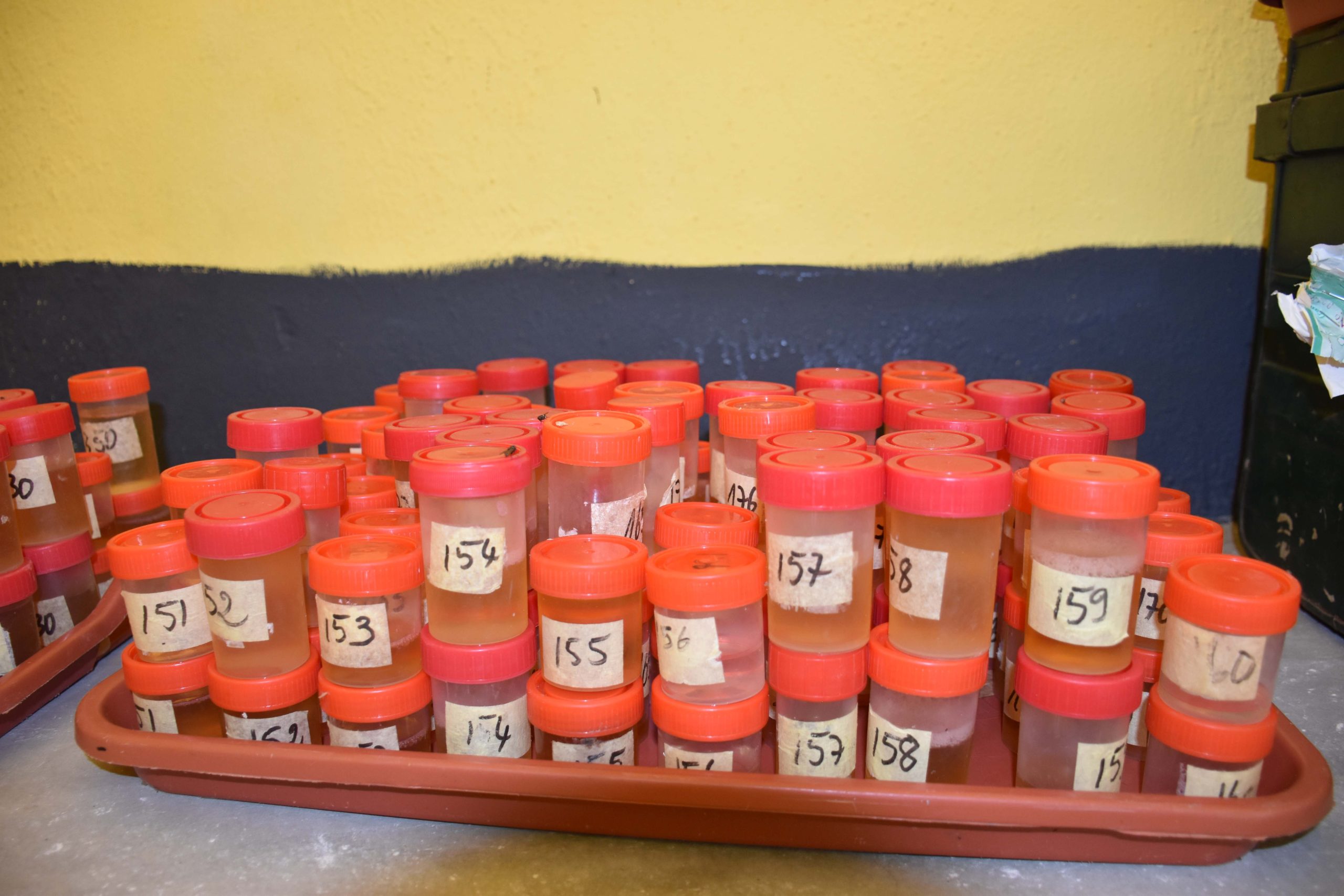
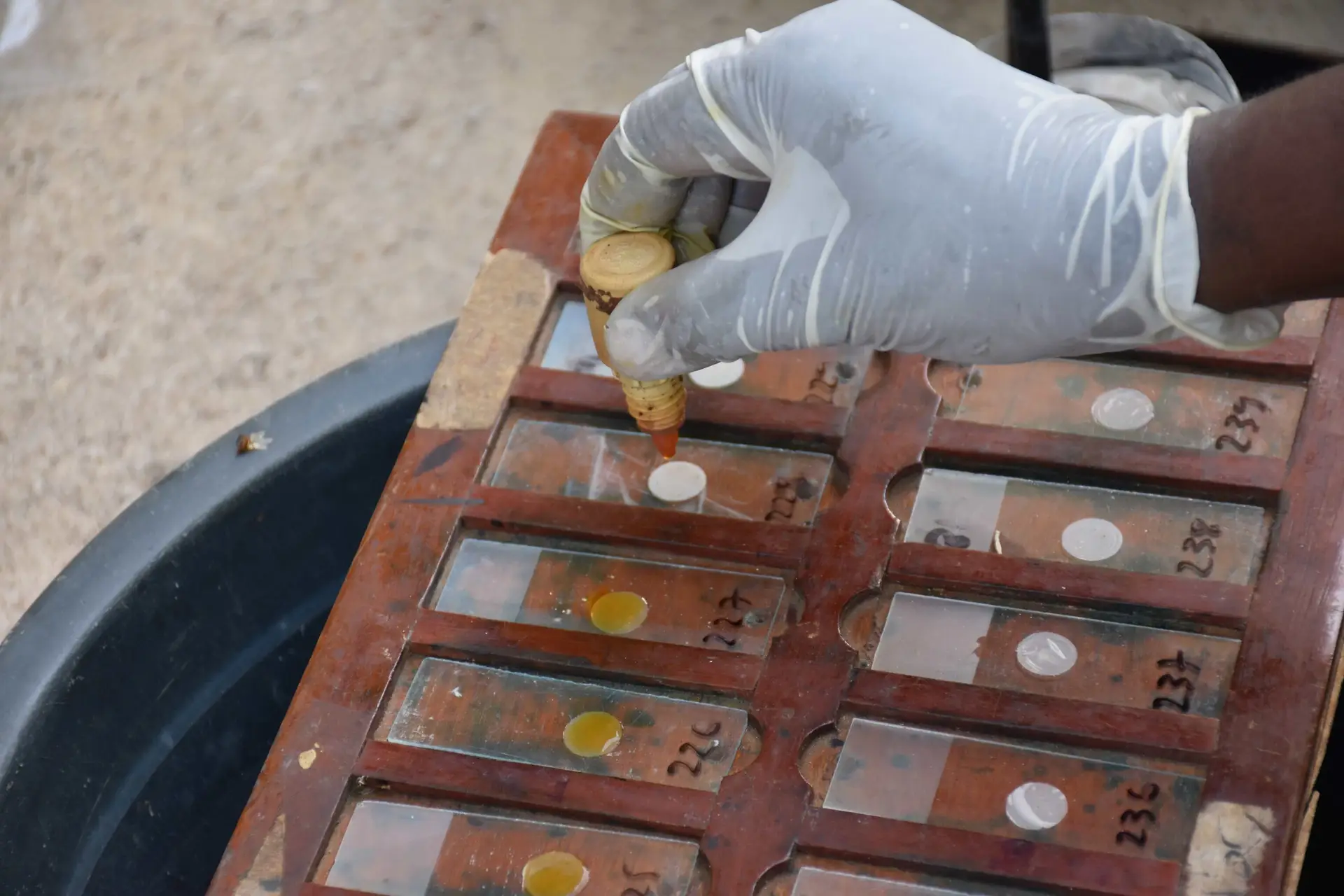
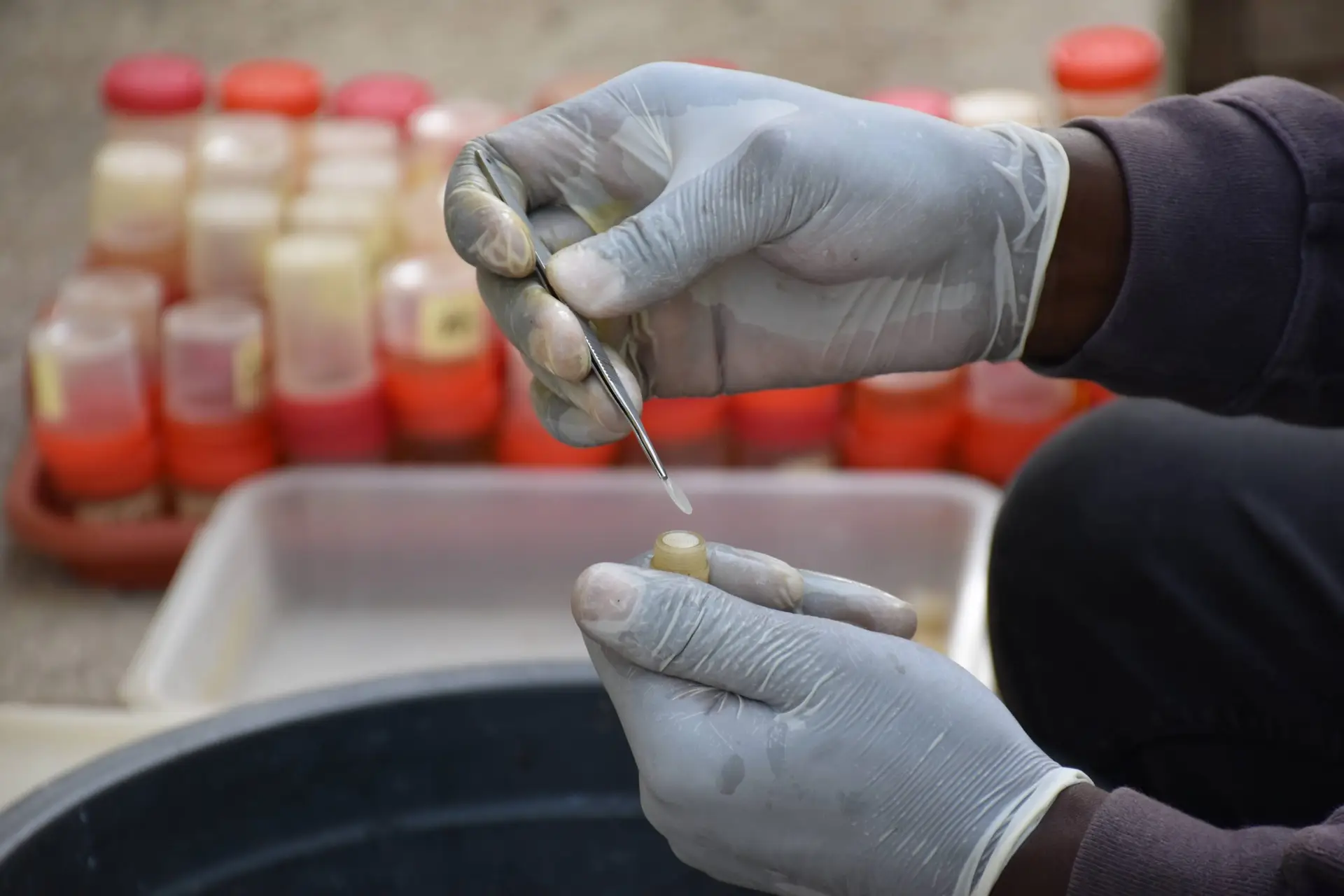
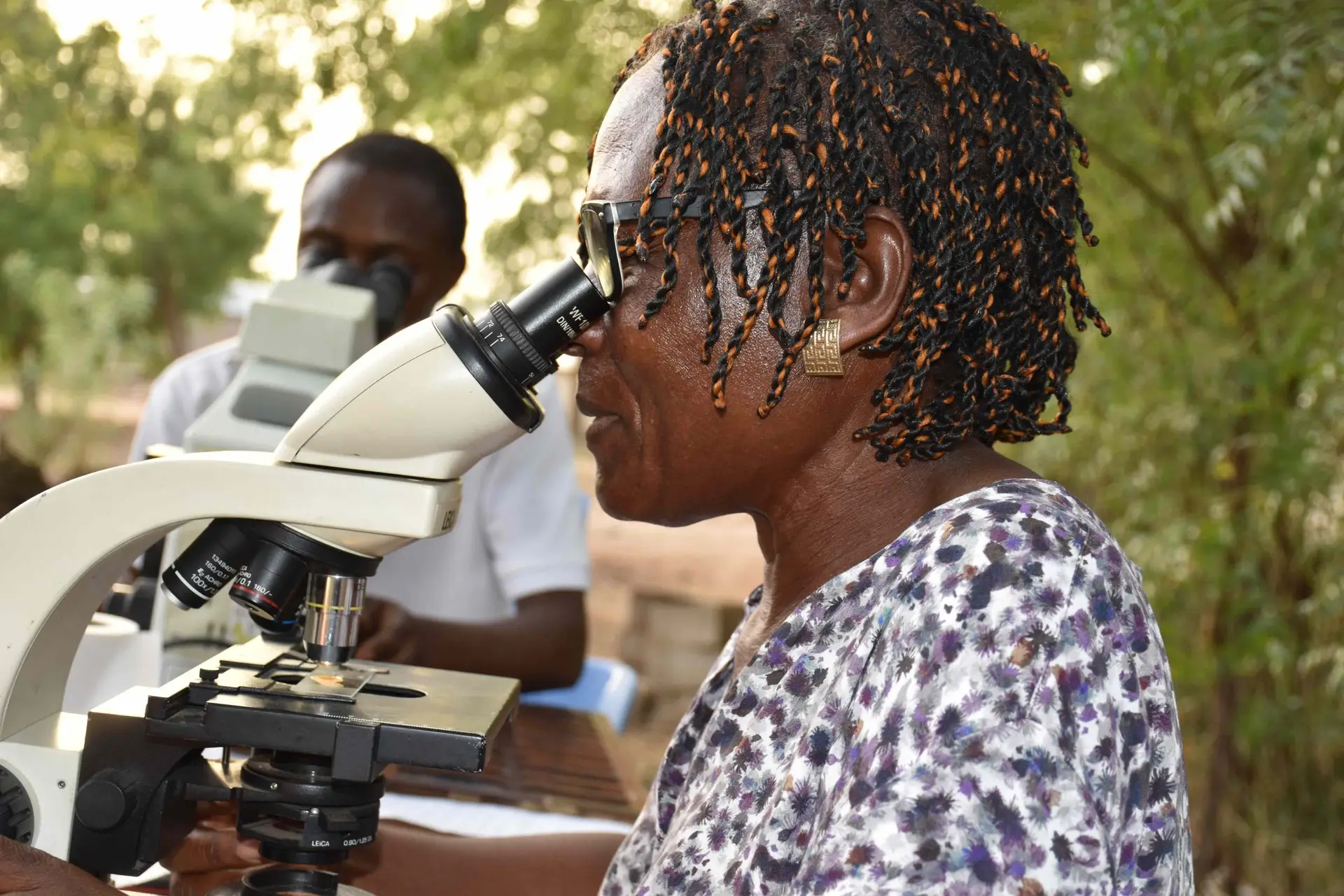
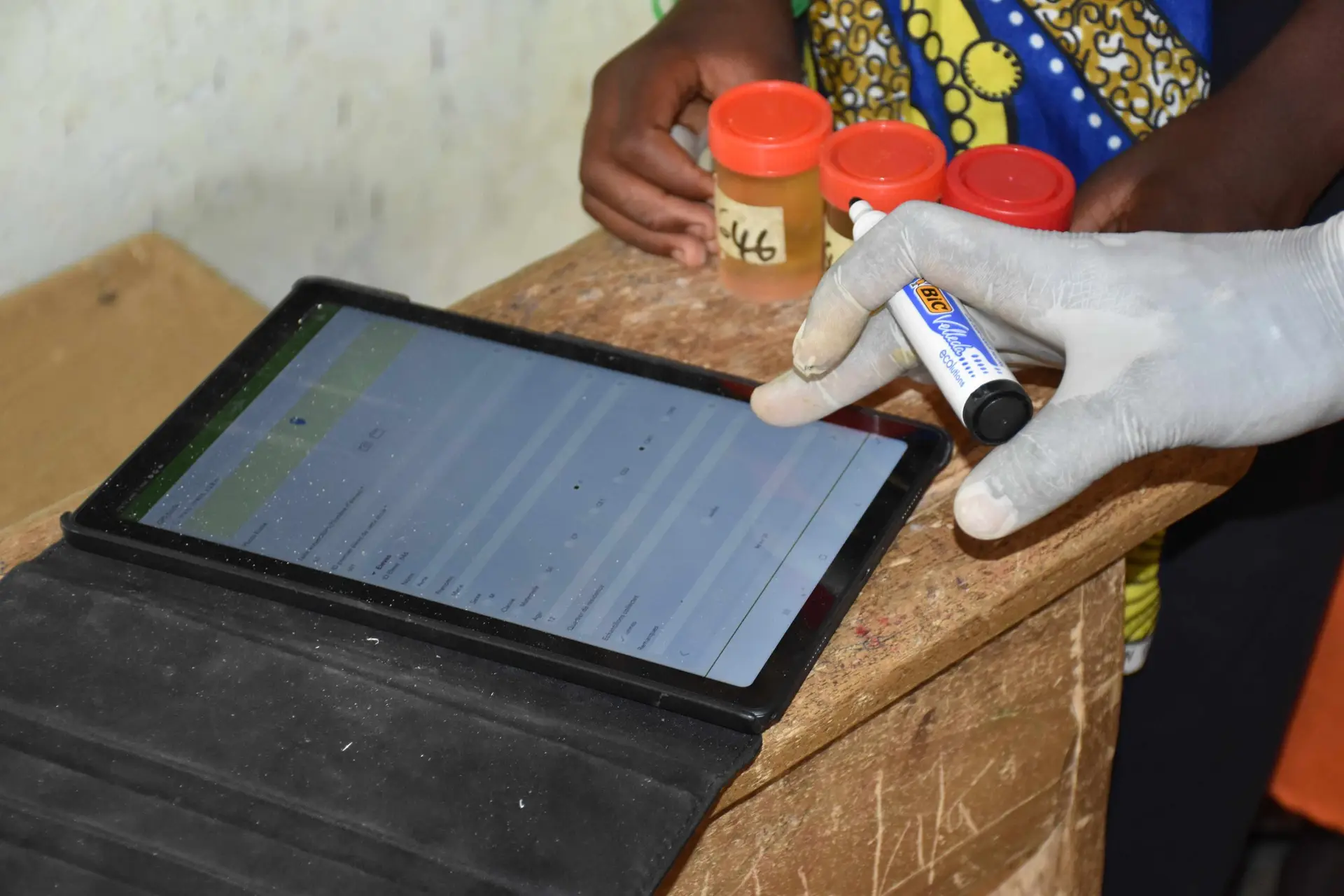
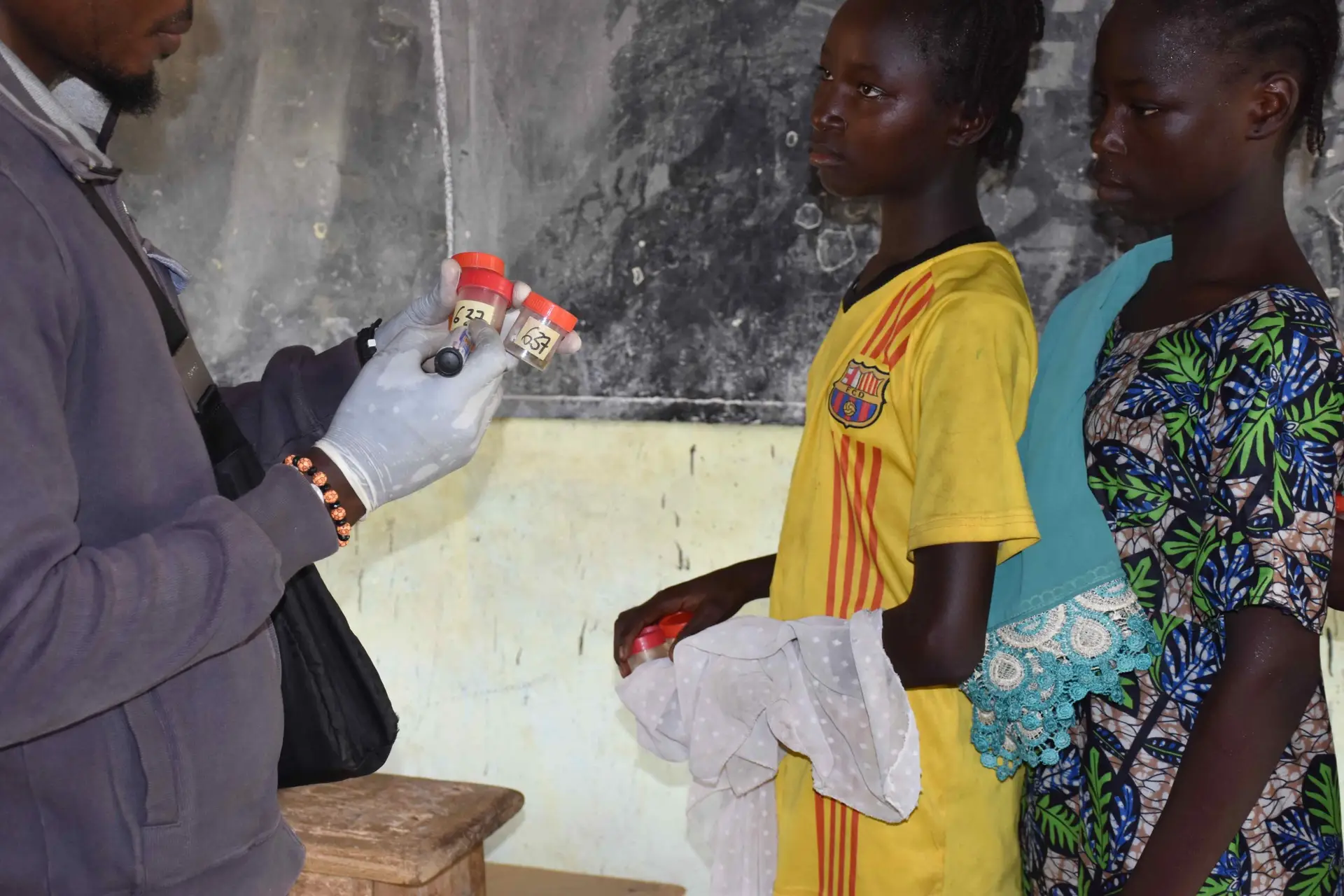
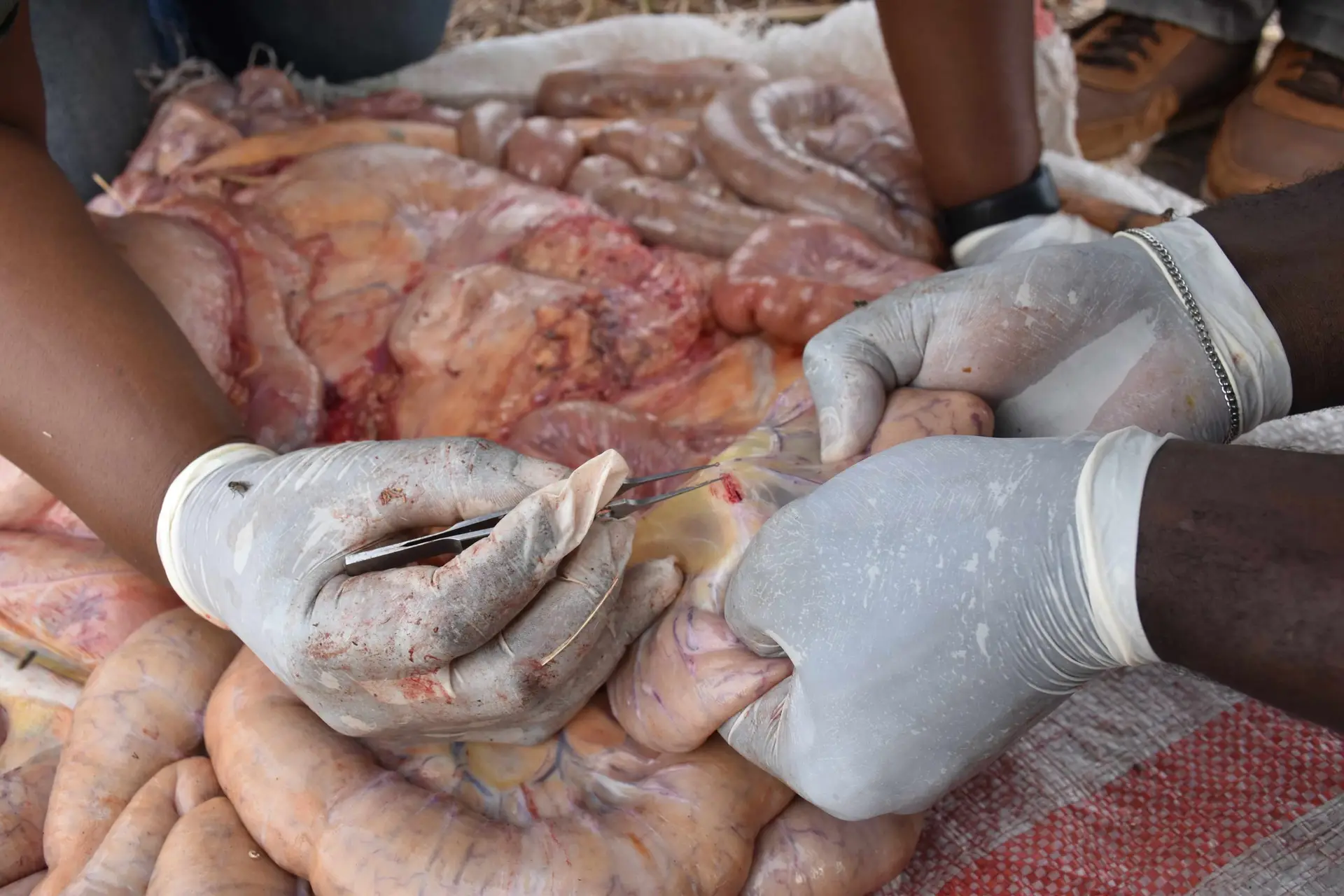
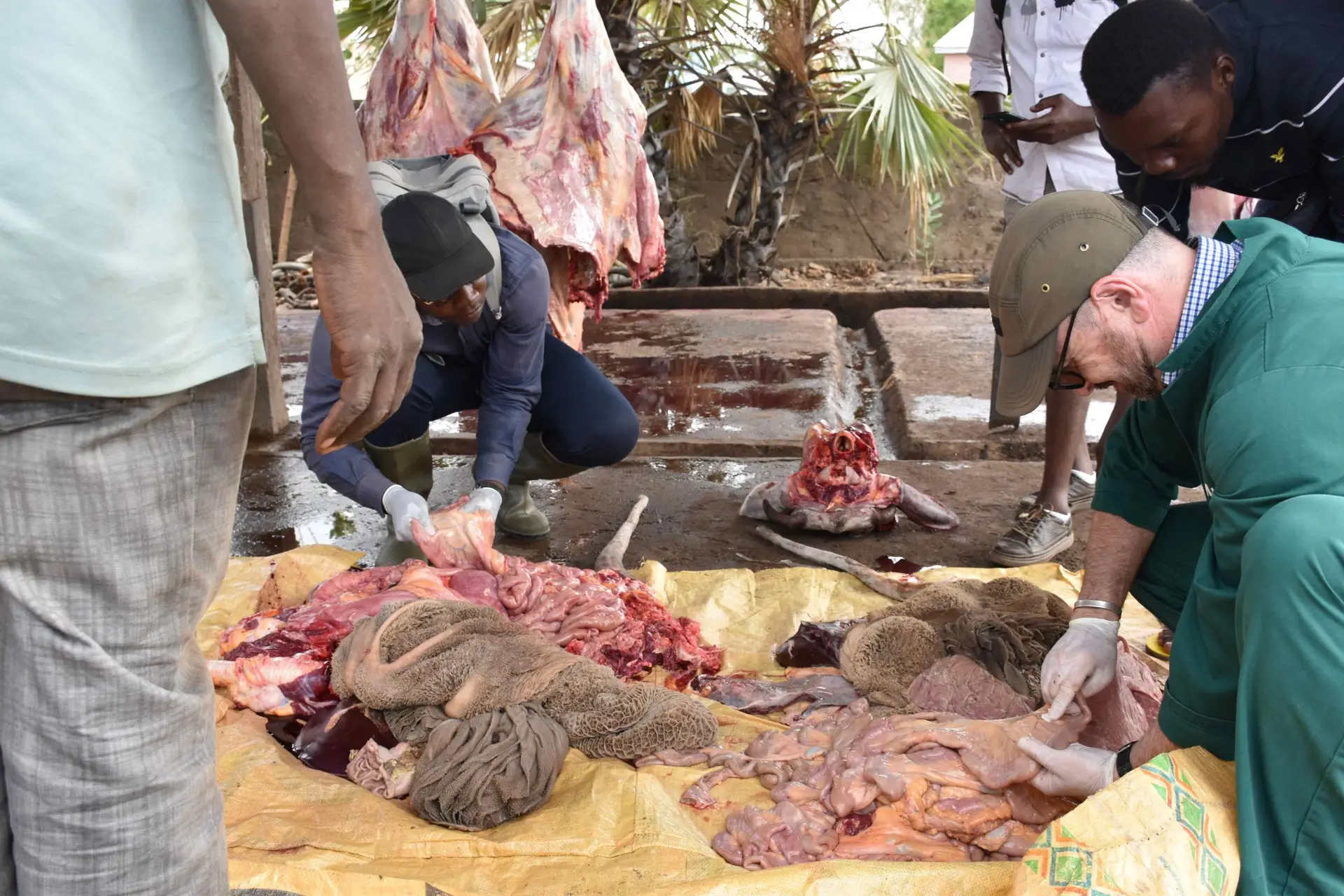
Pioneering parasitological research that develops innovative diagnostic tools and novel strategies to accelerate the elimination of schistosomiasis.

100+
Scientific Publications
High-level international journals
20+
Years of Research
Continuous commitment to excellence
6
Master Thesis
Liverpool School of Tropical Medicine
50%+
Polyparasitic Infections
Children with multiple helminth parasites
70%
Prevalence reduction
9.2M
People treated per year
10
Regions covered
484
Research sites

main programs

Our Organizations

A multidisciplinary collaboration between governmental, scientific, and international organizations

National Programme

National Program for the Fight against Schistosomiasis and Intestinal Helminthiasis National policy for the control and elimination of neglected tropical diseases in Cameroon

Centre for Schistosomiasis

Centre for Schistosomiasis and Parasitology Epidemiological research and development of innovative solutions for the elimination of parasitoses

COUNTDOWN Project

Countdown to 2030 Multidisciplinary research aiming for the sustainable elimination of schistosomiasis by 2030

Scientific research

Our laboratories develop innovative solutions for sustainable elimination

The Disease

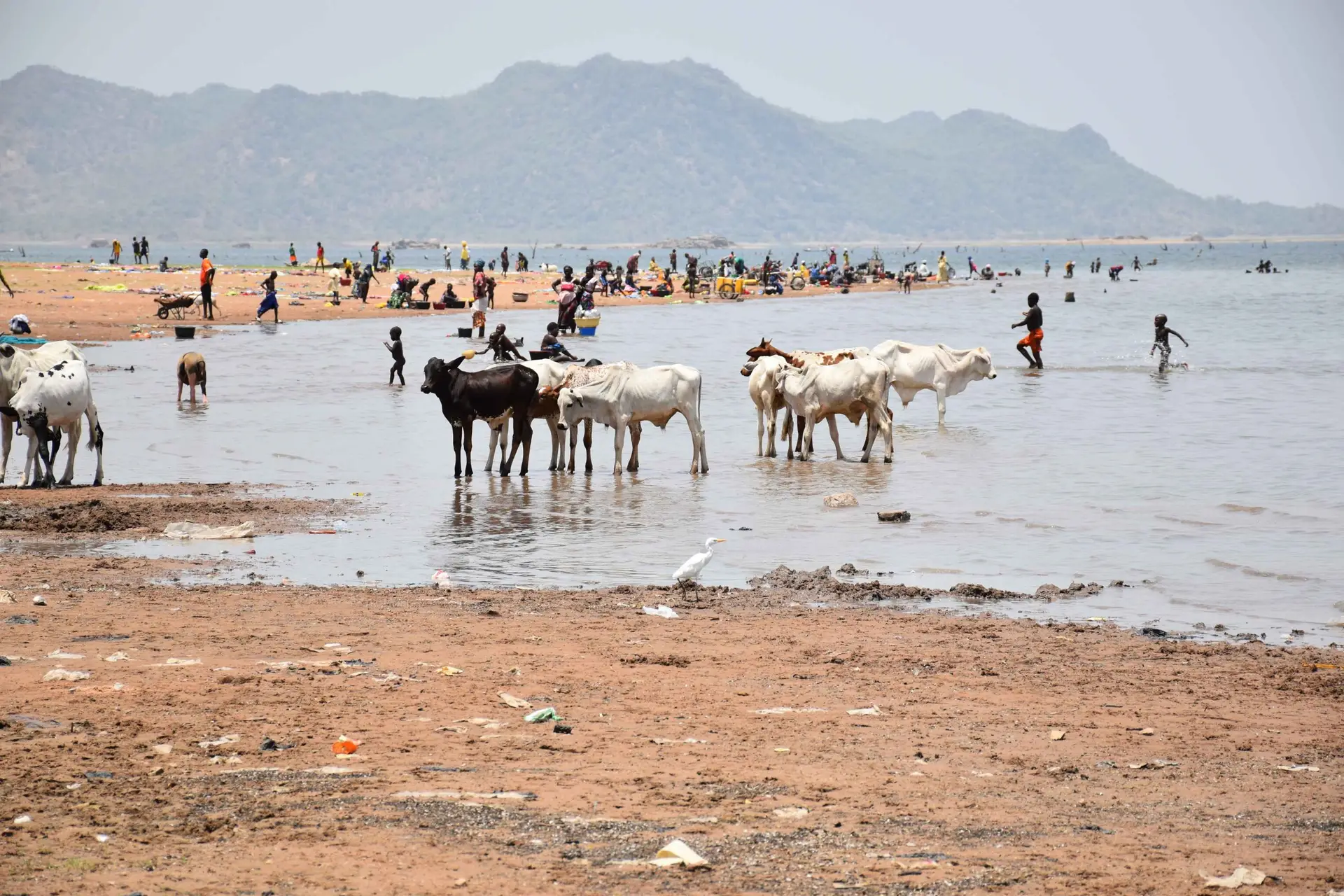
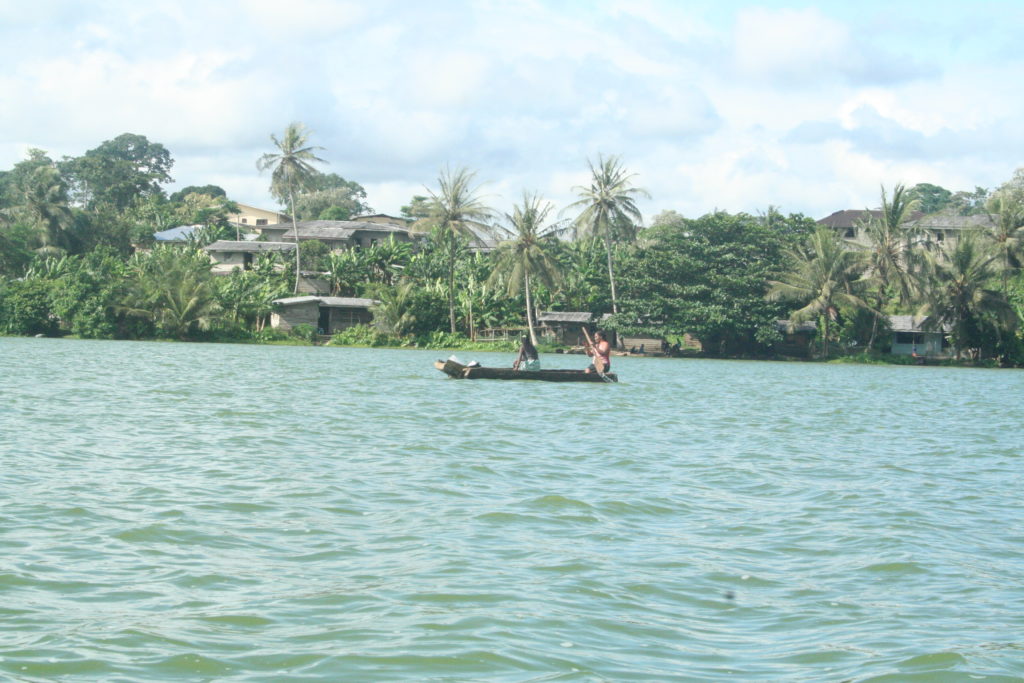
Schistosomiasis, also known as Snail Fever or Bilharzia, is a parasitic disease caused by schistosome worms. It is one of the most prevalent neglected tropical diseases in Cameroon. The disease is transmitted when people come into contact with freshwater contaminated with parasites released from infected snails. School-aged children and communities near water sources are particularly at risk. Without treatment, schistosomiasis can cause severe complications including bladder cancer, liver damage, kidney failure, and infertility. Early diagnosis and treatment with praziquantel are essential.

Understanding Schistosomiasis
and the Disease Facts

Economic & Social Burden

auses chronic ill-health, affecting school attendance and the productivity of local communities

Transmission

Through contact with contaminated freshwater containing infected snails


Symptoms

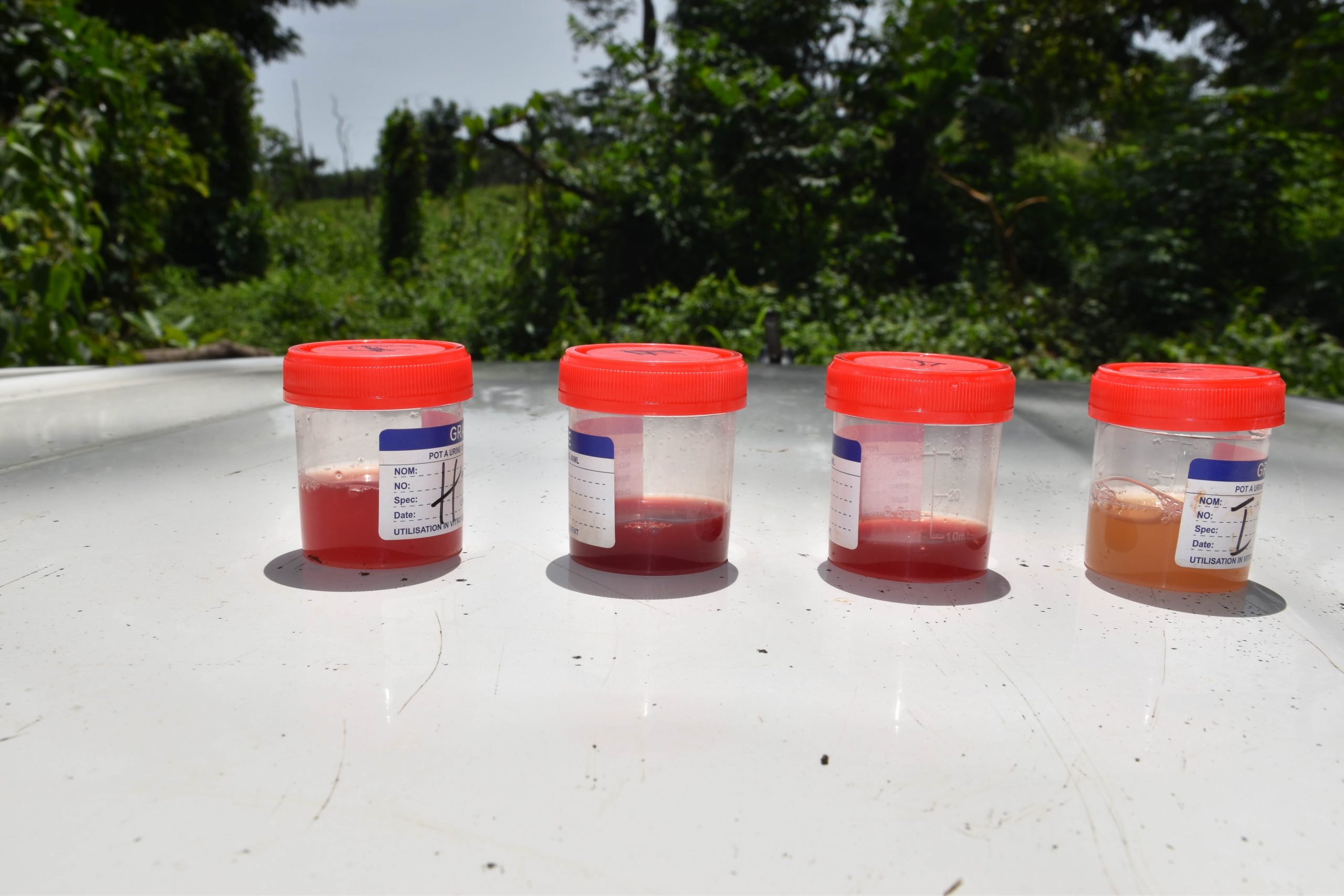
Abdominal pain, diarrhea, bloody urine, liver and spleen enlargement

Treatment

Single oral dose of praziquantel is highly effective (>90%)

Prevention

Avoid contaminated water, use latrines, mass drug administration programs

Global Impact

Over 250 million people affected worldwide, primarily in Africa

Our Achievements

Our Achievements – 20 years of lasting impact

For 20 years, the Centre for Schistosomiasis and Parasitology has been committed to research capacity building

and advancing our mission in schistosomiasis and parasitology.

Scientific Publications
+
Years of Research
+
Master Thesis
Polyparasitic Infections
%+
Prevalence reduction
%
People treated per year
M
Regions covered

Schistosomiasis Prevalence Trend

1985

48% 1985 Baseline Survey​

1985

32% 2011 Mid-term Assessment

1985

18% 2025 Current Status

over 40 years

62.5% reduction in prevalenc

Intervention Zones
National Coverage

Intervention Zones

National coverage with interventions adapted to the prevalence level of each region.

👥Population
Treated
Low Prevalence
Moderate Prevalence
High Prevalence
Adamaoua
Modérée
👥Population
1.2M
Treated
850K
Centre
Faible
👥Population
3.8M
Treated
2.1M
Est
Élevée
👥Population
820K
Treated
680K
Extrême-Nord
Élevée
👥Population
4.1M
Treated
3.2M
Littoral
Faible
👥Population
3.5M
Treated
1.8M
Nord
Modérée
👥Population
2.4M
Treated
1.6M
Nord-Ouest
Modérée
👥Population
2.1M
Treated
1.4M
Ouest
Faible
👥Population
2.0M
Treated
1.1M
Sud
Modérée
👥Population
750K
Treated
520K
Sud-Ouest
Faible
👥Population
1.5M
Treated
880K

Latest News & Events

Stay updated with our recent activities and achievements

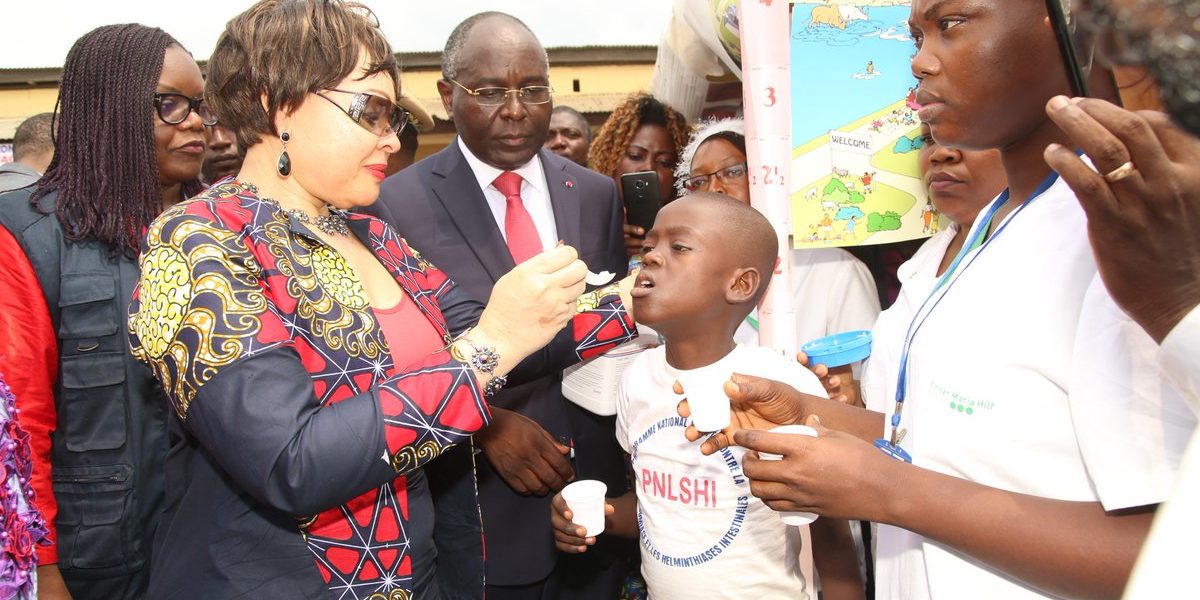
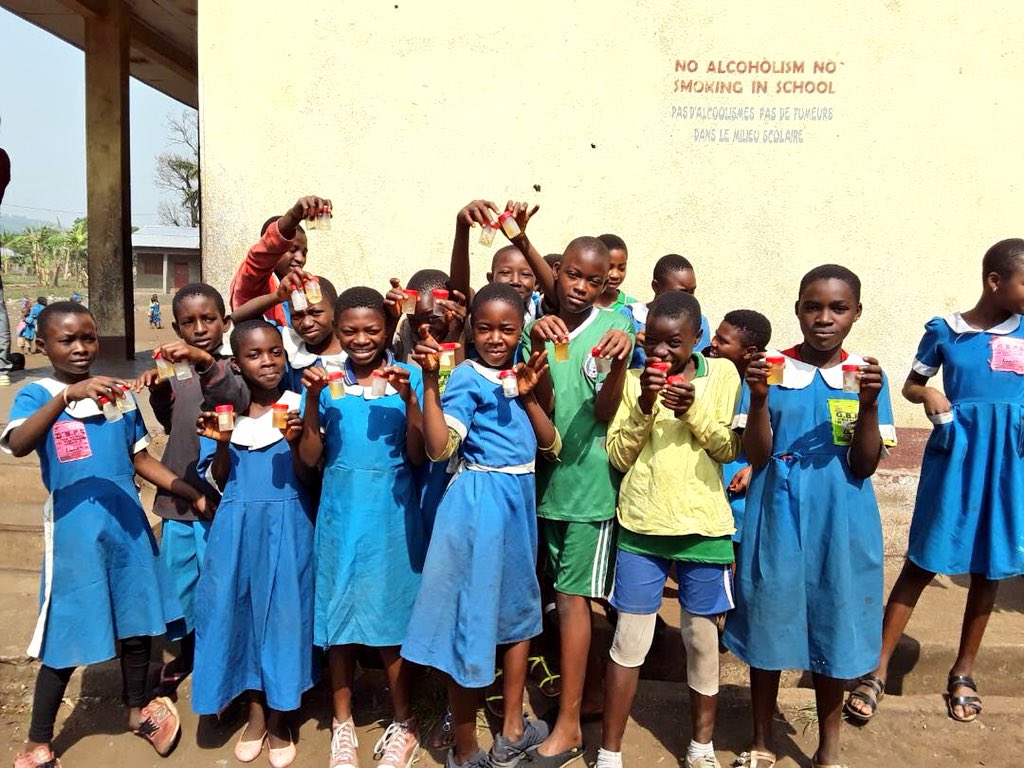
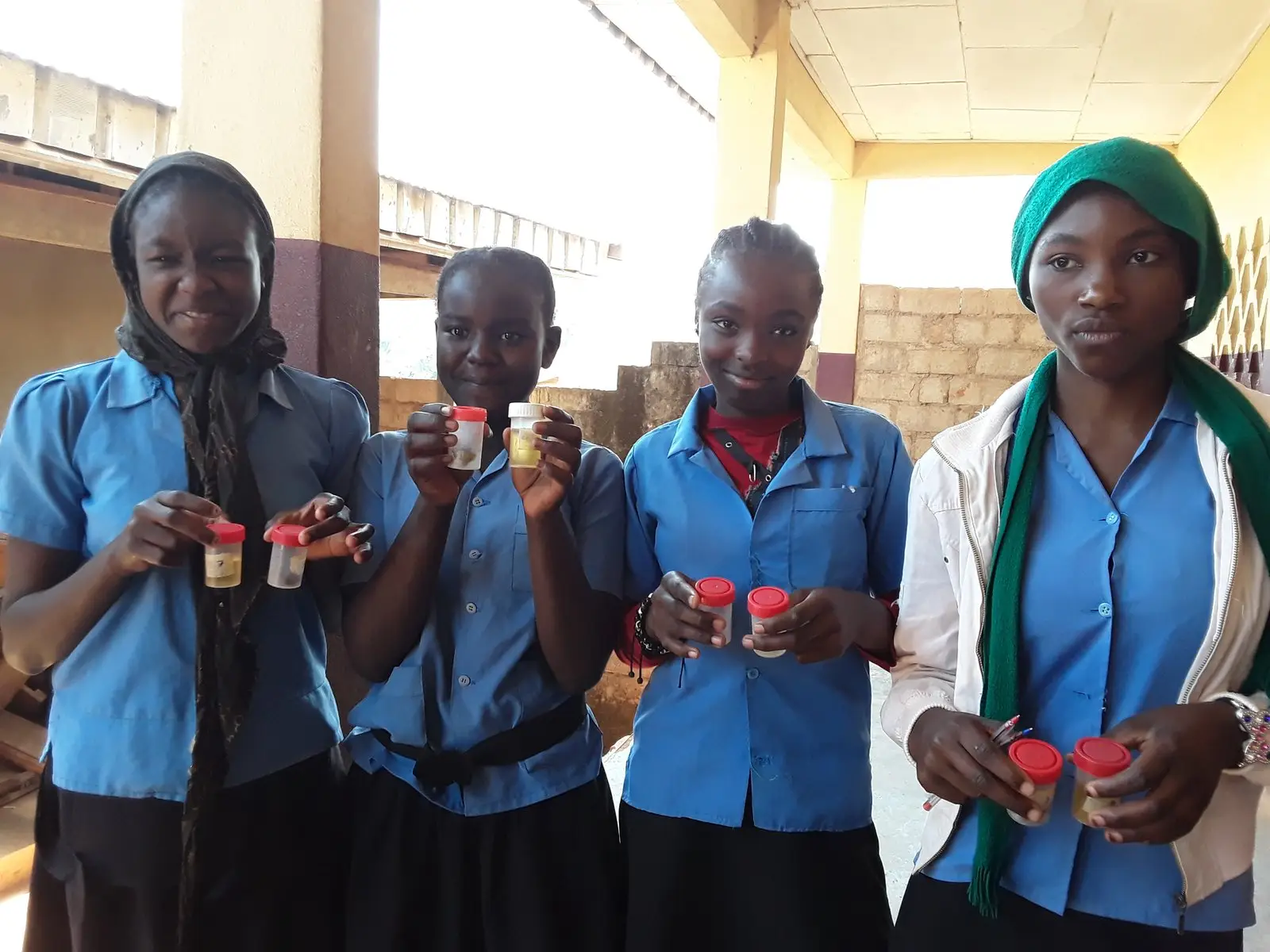
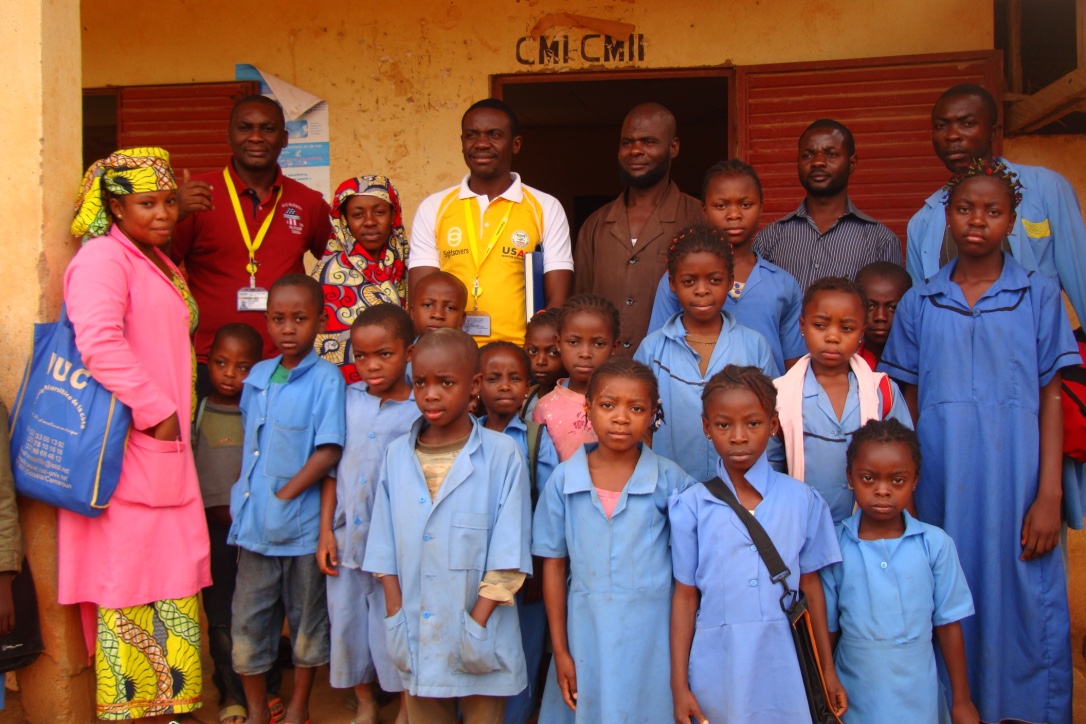
Launch of the 2016 National Deworming Campaign at Government Primary School Mfandena II

Launch of the 2016 National Deworming Campaign at Government Primary School Mfandena II

Read More
Schistosomiasis & STH Week 2024 in Cameroon

Schistosomiasis & STH Week 2024 in Cameroon

Read More
2016 National Deworming Campaign in Cameroon

2016 National Deworming Campaign in Cameroon

Read More
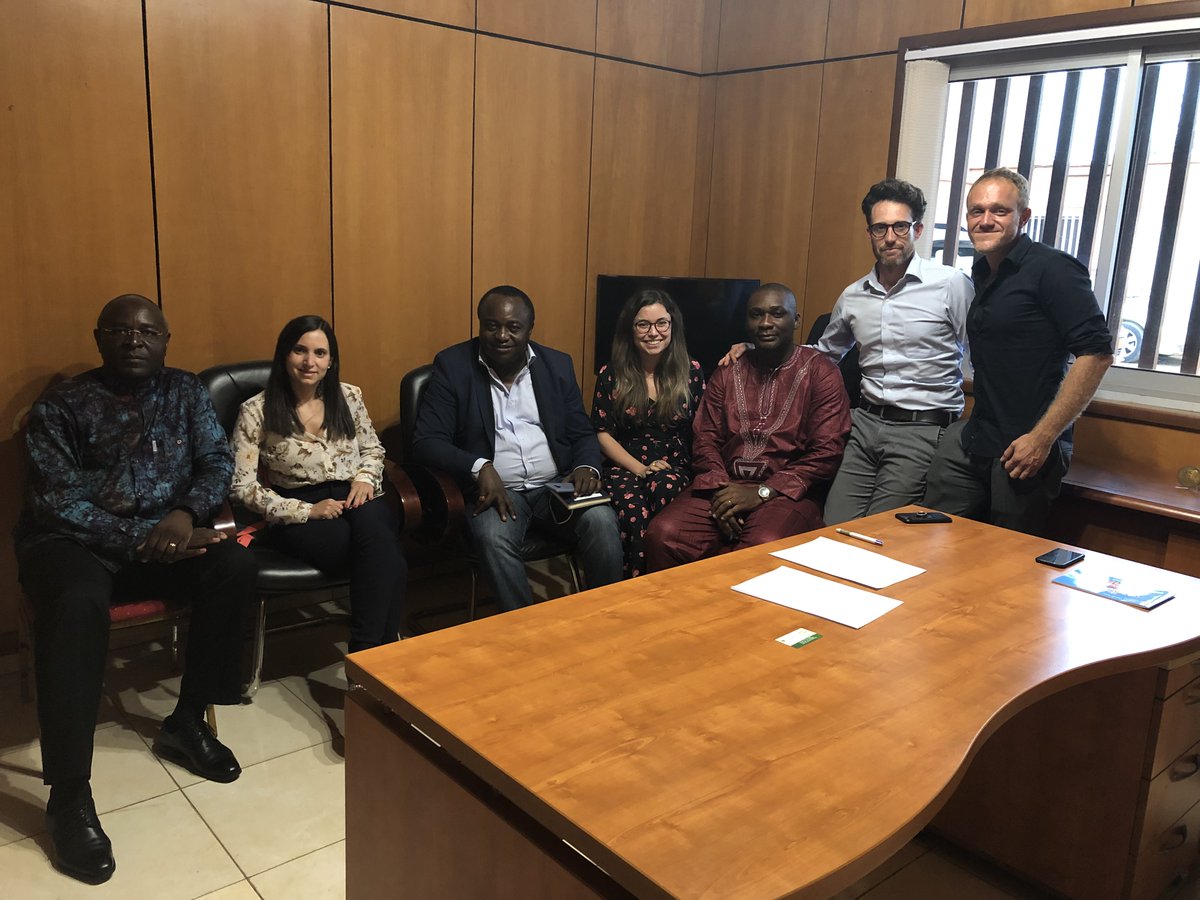
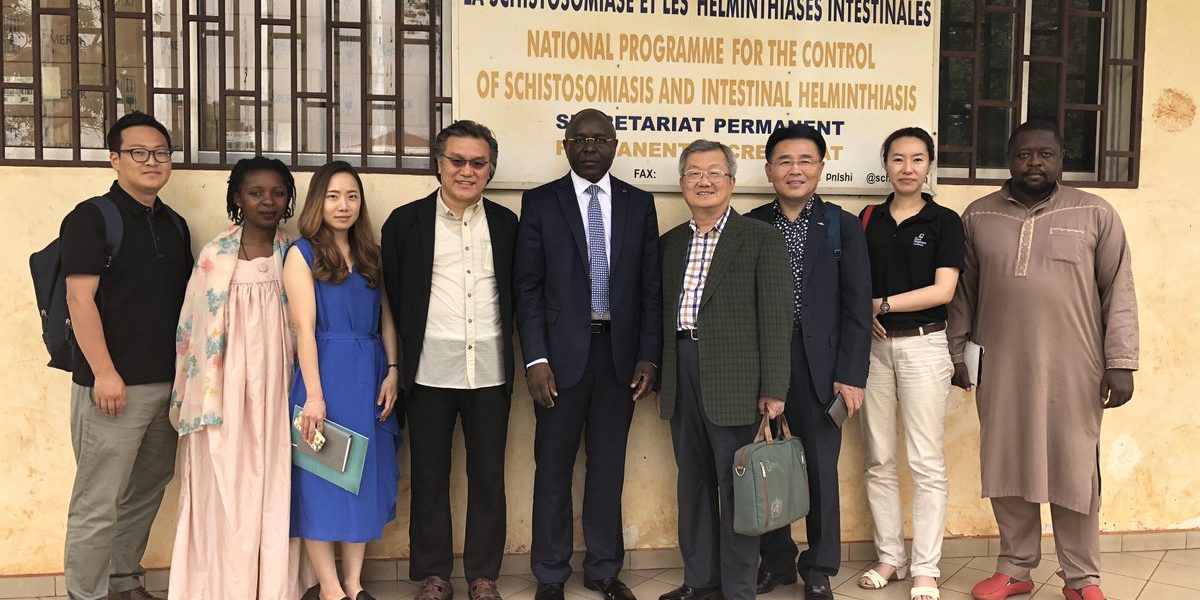
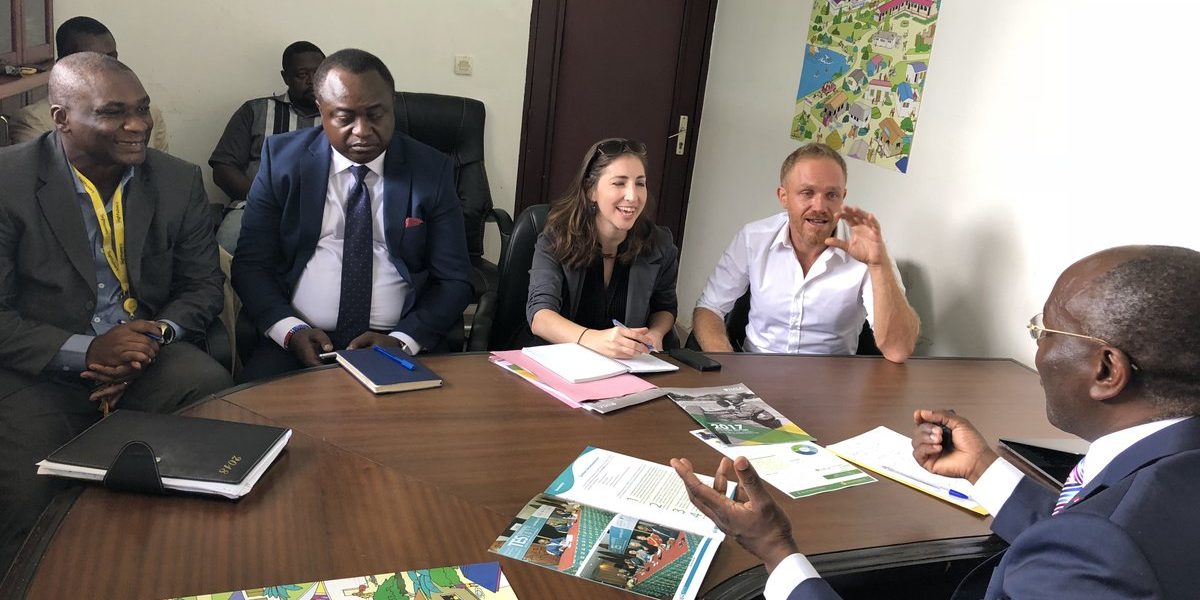
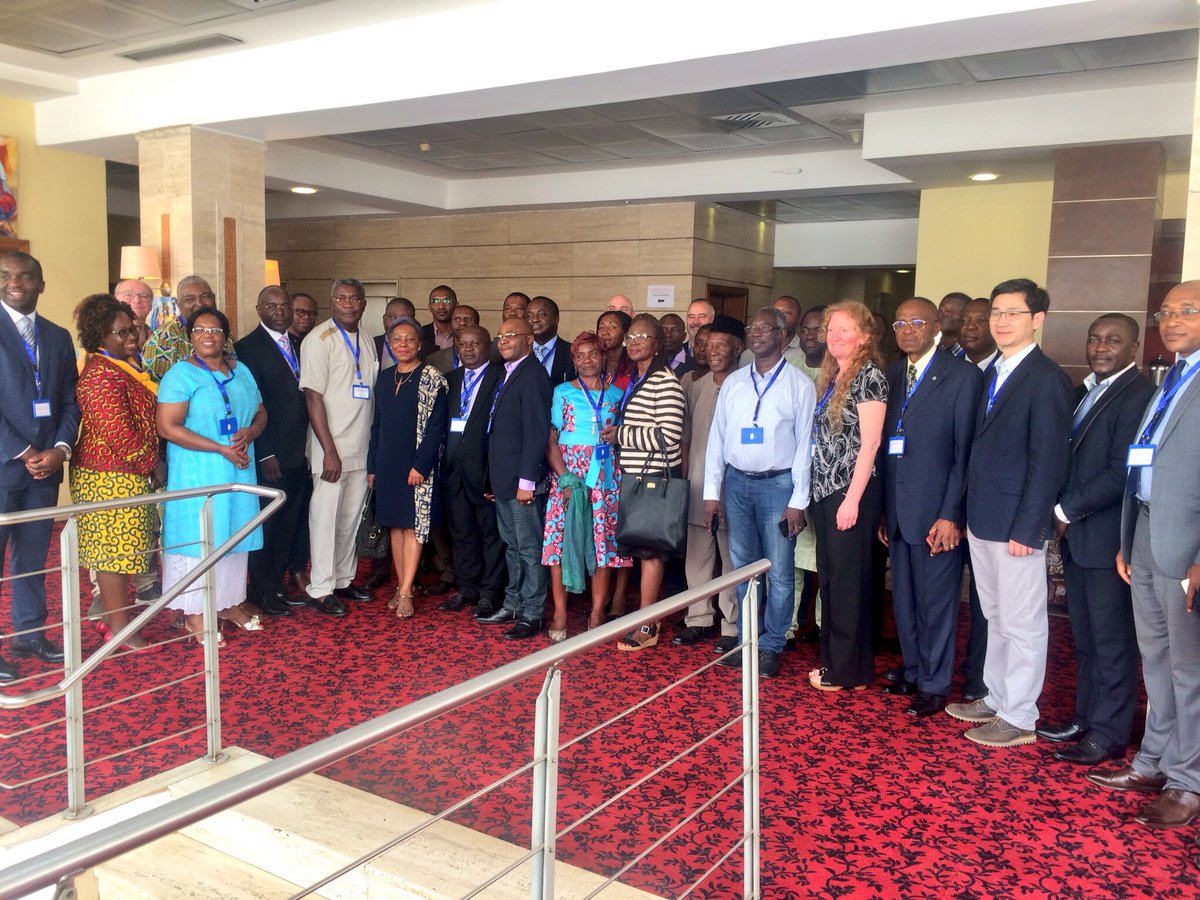
Advocacy meeting for the fight against NTDs in the Centre Region, Cameroon

Advocacy meeting for the fight against NTDs in the Centre Region, Cameroon

Read More
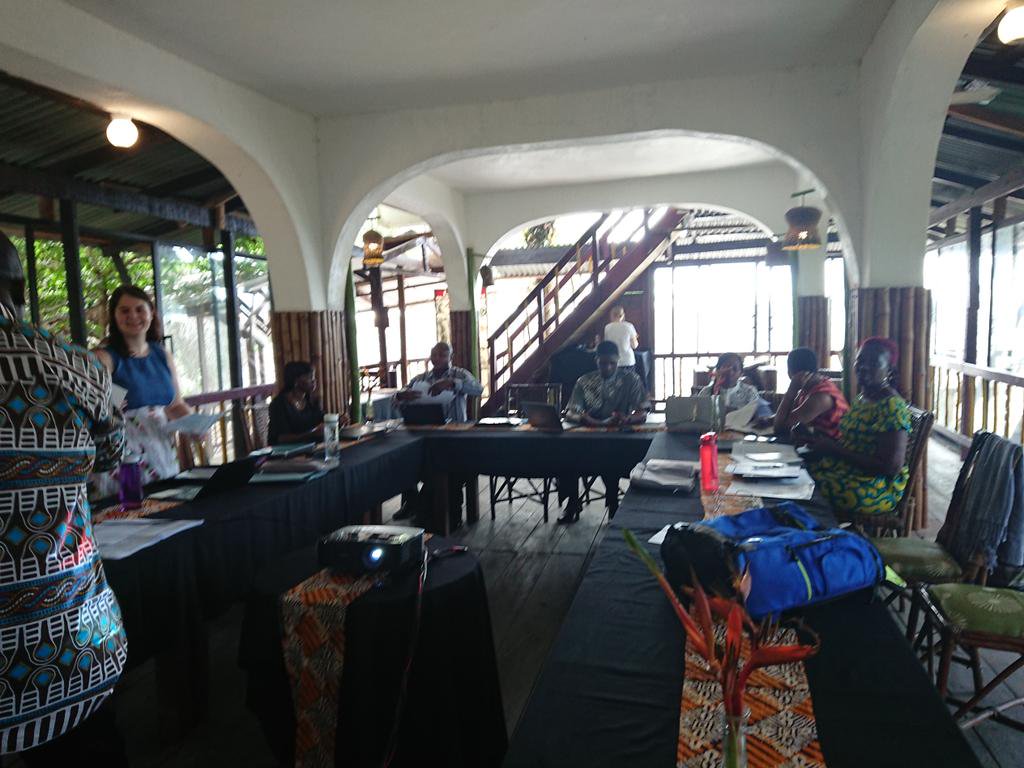
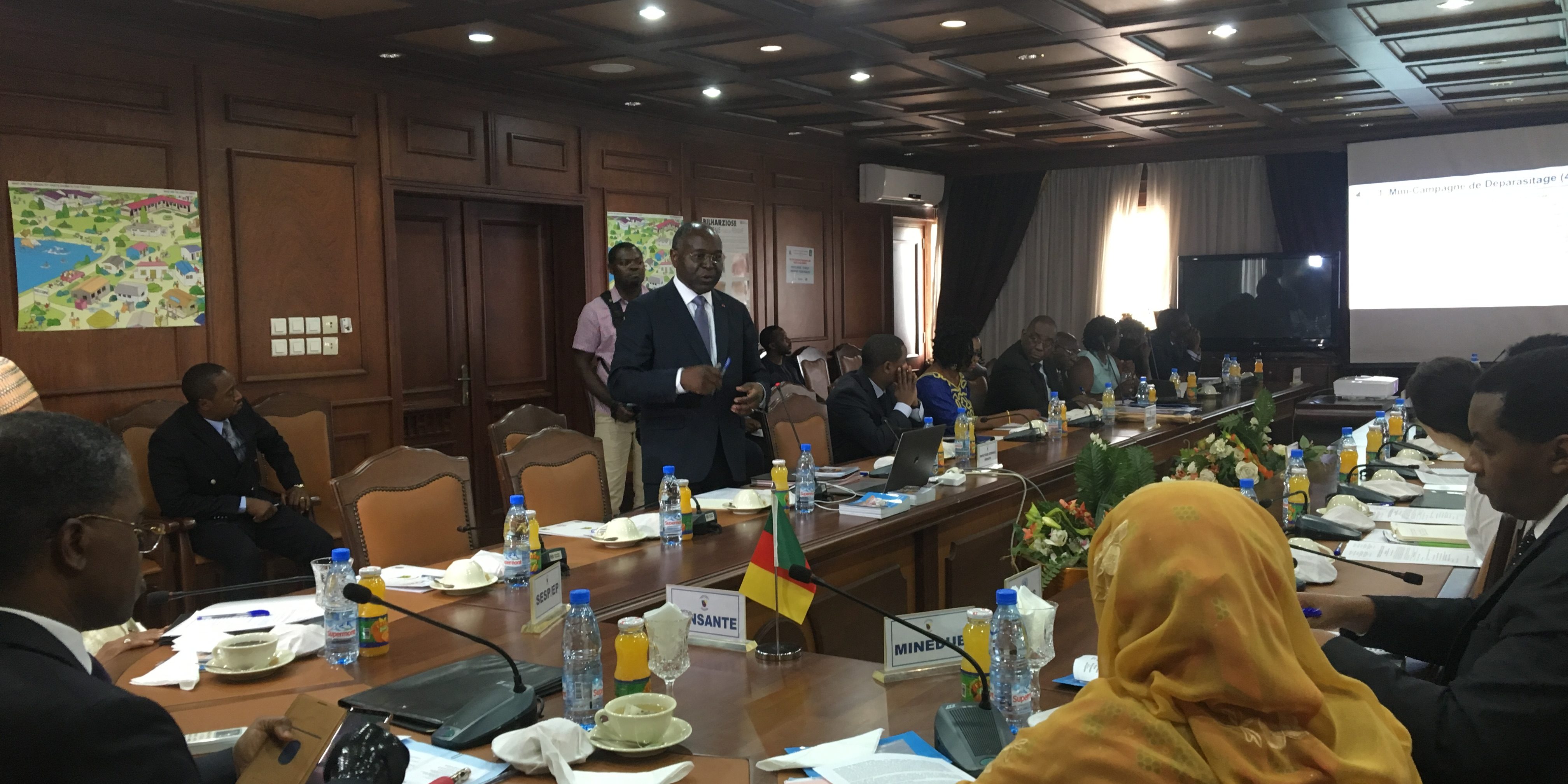
Preparatory Meeting for the 2016 National Deworming Campaign

Preparatory Meeting for the 2016 National Deworming Campaign

Read More
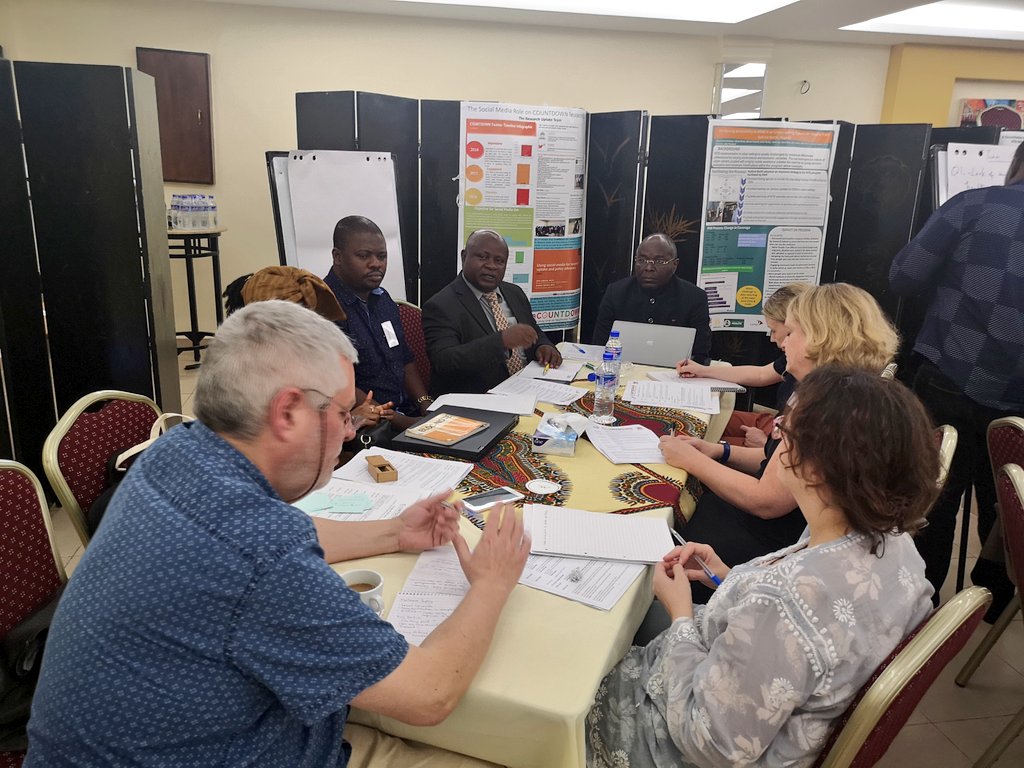
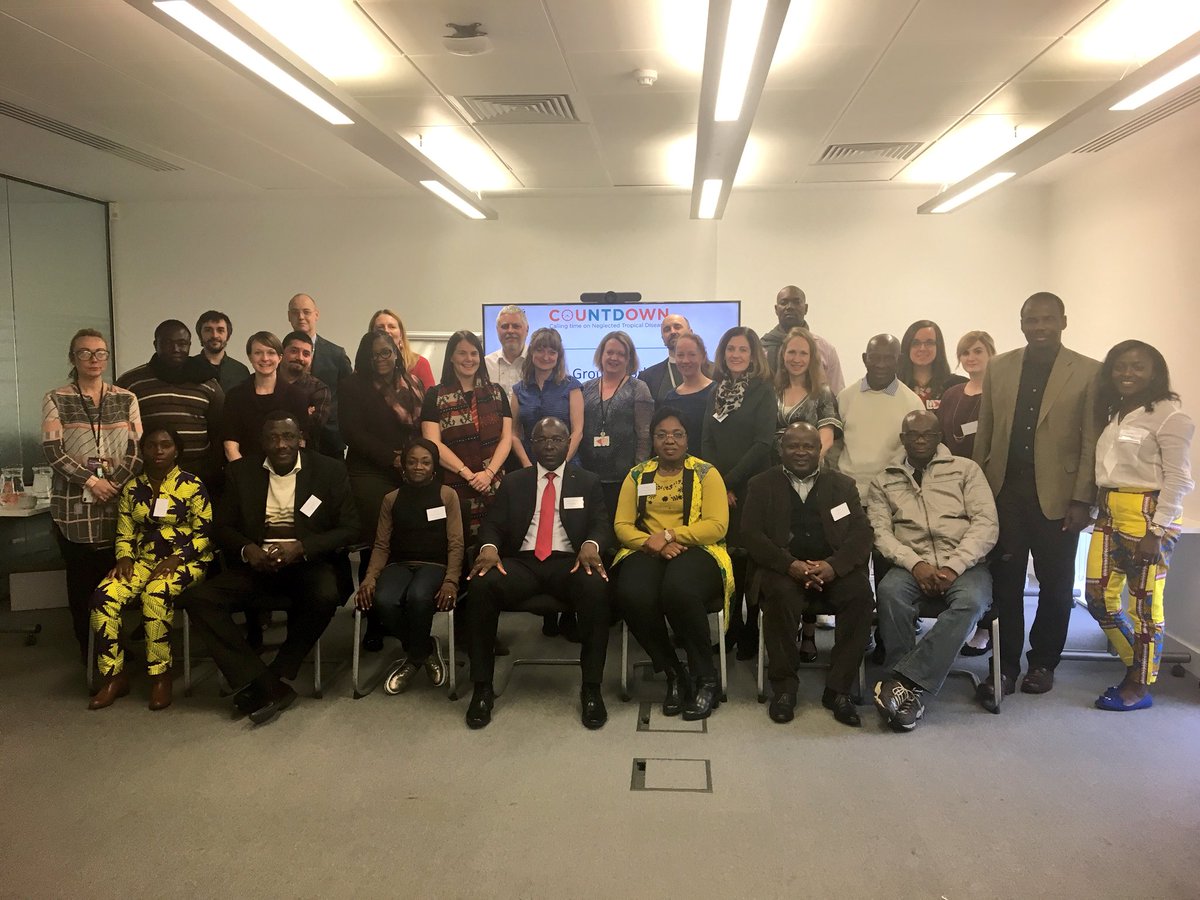
Launch of the COUNTDOWN Project on NTDs in Cameroon

Launch of the COUNTDOWN Project on NTDs in Cameroon

Read More

Our Facilities

State-of-the-art research infrastructure supporting cutting-edge parasitology research

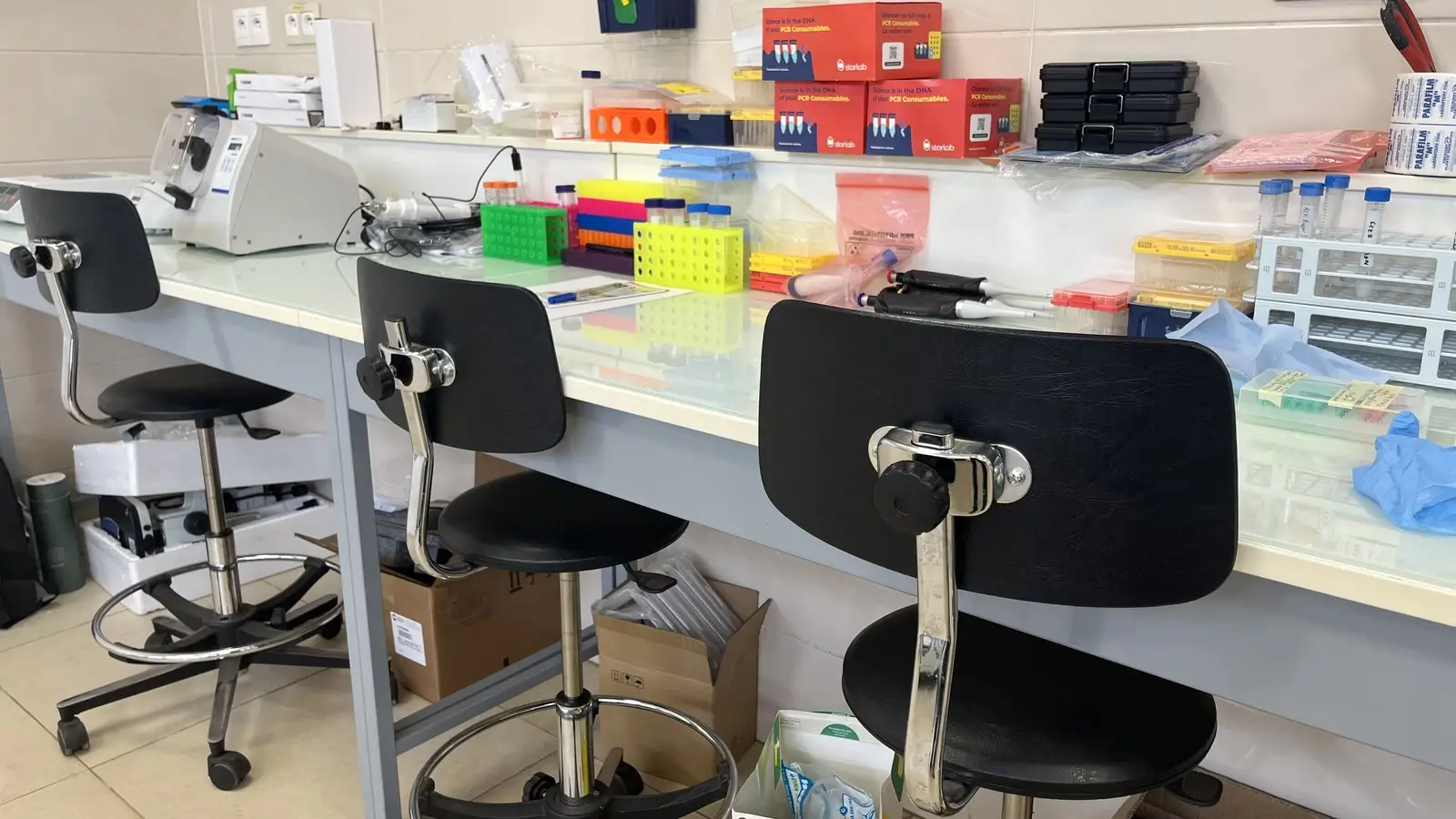
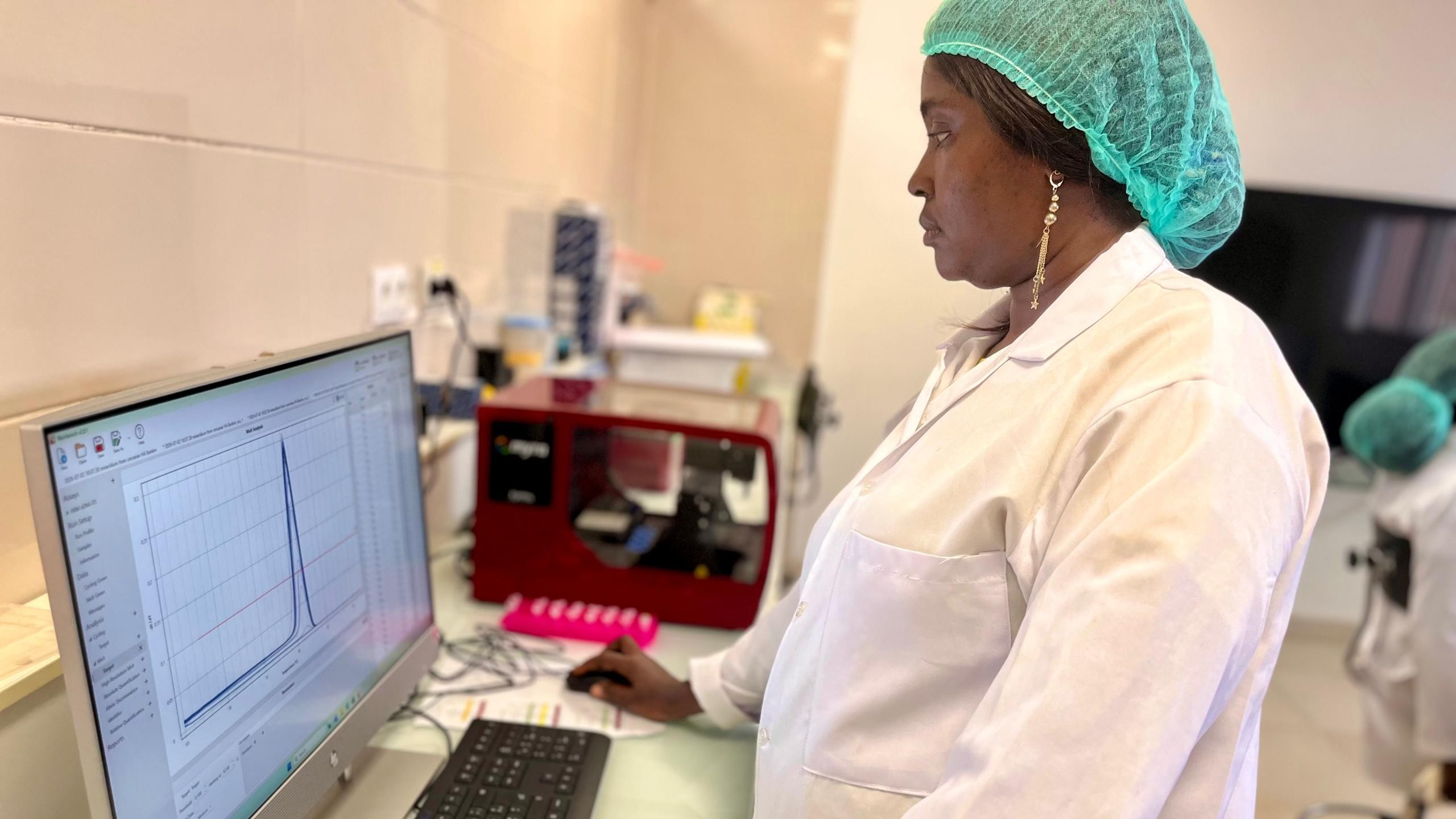
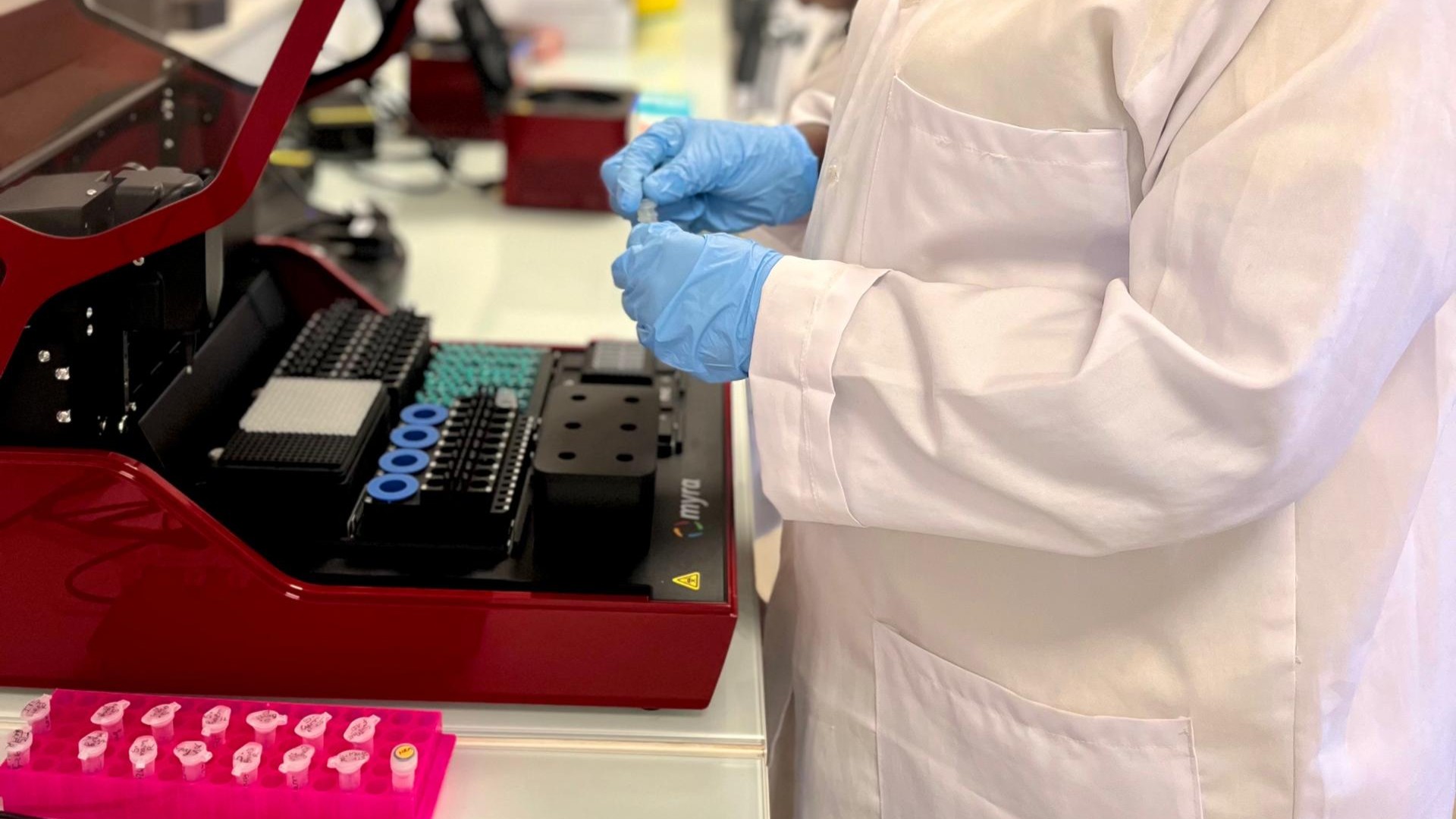
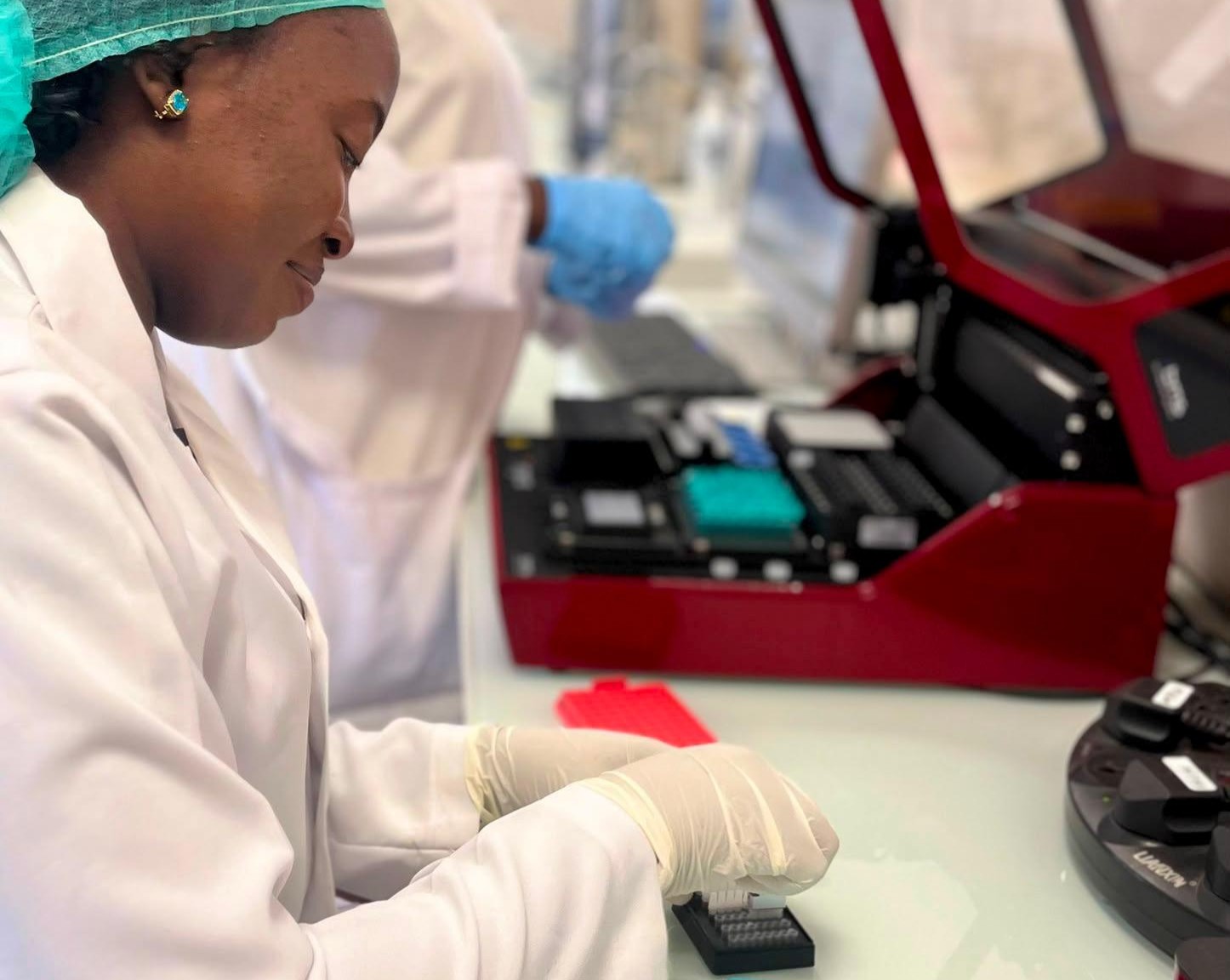
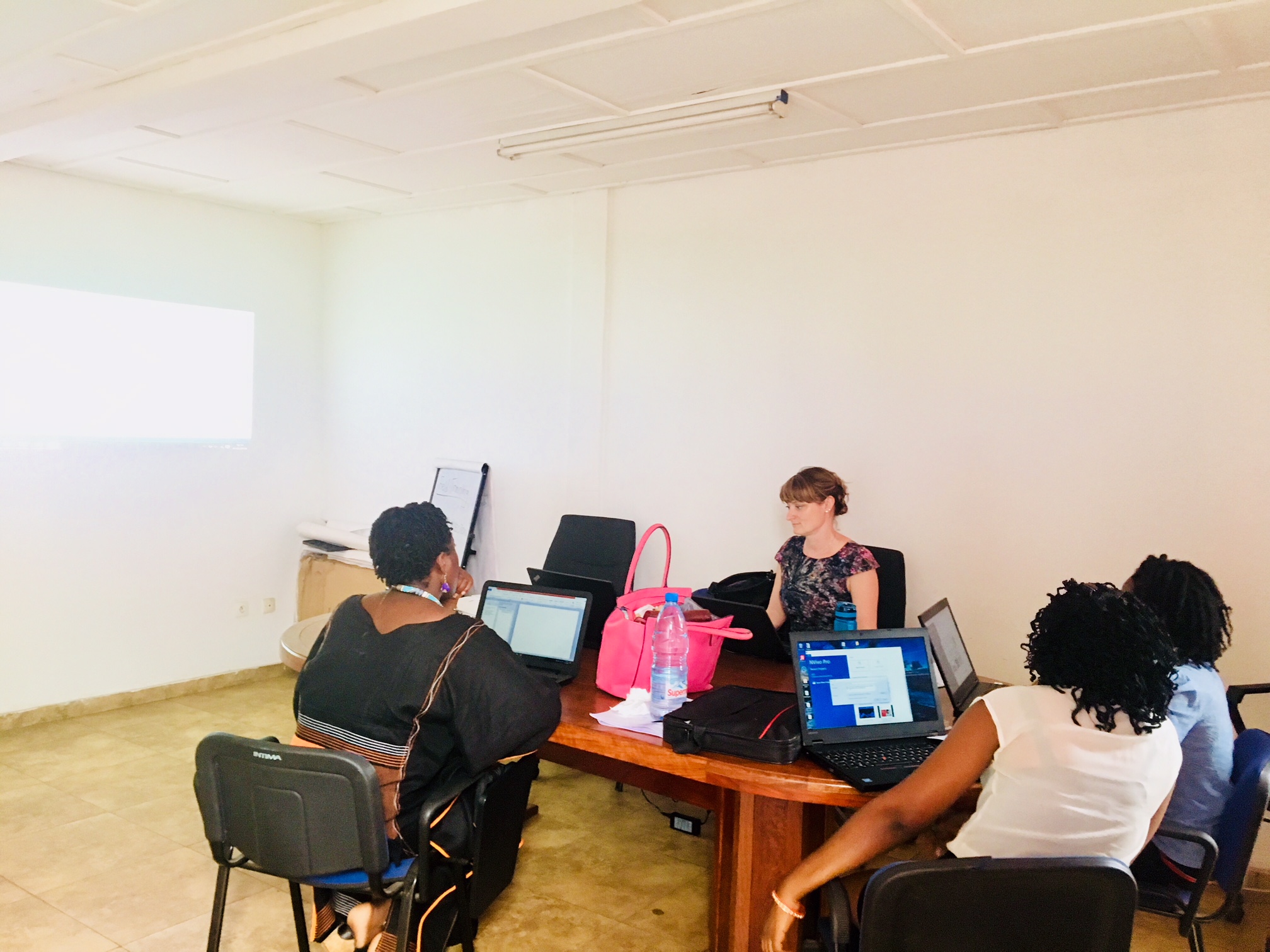
The Centre for Schistosomiasis and Parasitology offers a wide range of services for the scientific community, all pertaining to parasitological research. We have a range of well-equipped laboratory facilities and good functional infrastructure for high quality research, including a parasitology laboratory, biochemical and molecular laboratory, snail room, animal room, conference room, library, Satellite internet network and offices.

Comprehensive Research Facilitiess

Parasitology laboratory, biochemical and molecular laboratory, snail room (molluscarium),
animal room (bioterium), culture lab, conference facilities, library, and satellite internet network
supporting high-quality parasitological research

Molluscarium

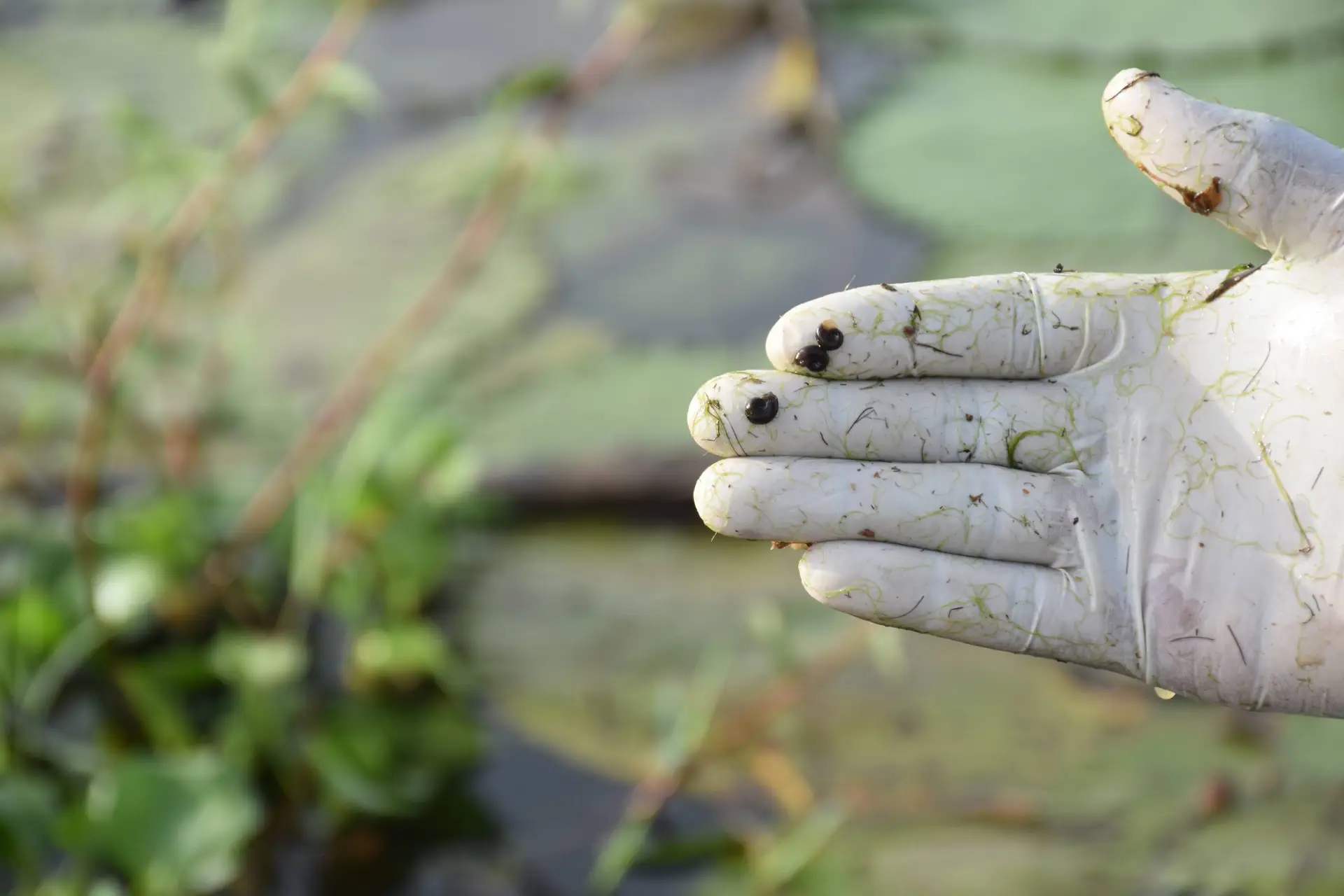
Snails are the main host for all schistosome species. By studying these creatures in their niche, we are better equipped at creating mechanisms for preventing the growth of these schistosomes which cause a great ordeal for humans.

Culture Lab

The Centre is equipped to carry out in-vitro/test tube experiments using cells or microorganisms. The facility has a laminar flow hood and incubators which assist in in-vitro research.

Bioterium

One of our most invaluable facilities in which animal research is being carried out in environmental, health and nutritional controlled conditions.

Biochemistry Laboratory

ur biochemistry facility is equipped to carry out high-throughput scientific techniques such as gel electrophoresis, PCR, and mass spectrometry.

Our Partners

Collaborating with leading organizations worldwide to advance research and disease control

Our Work: Research

Epidemiology

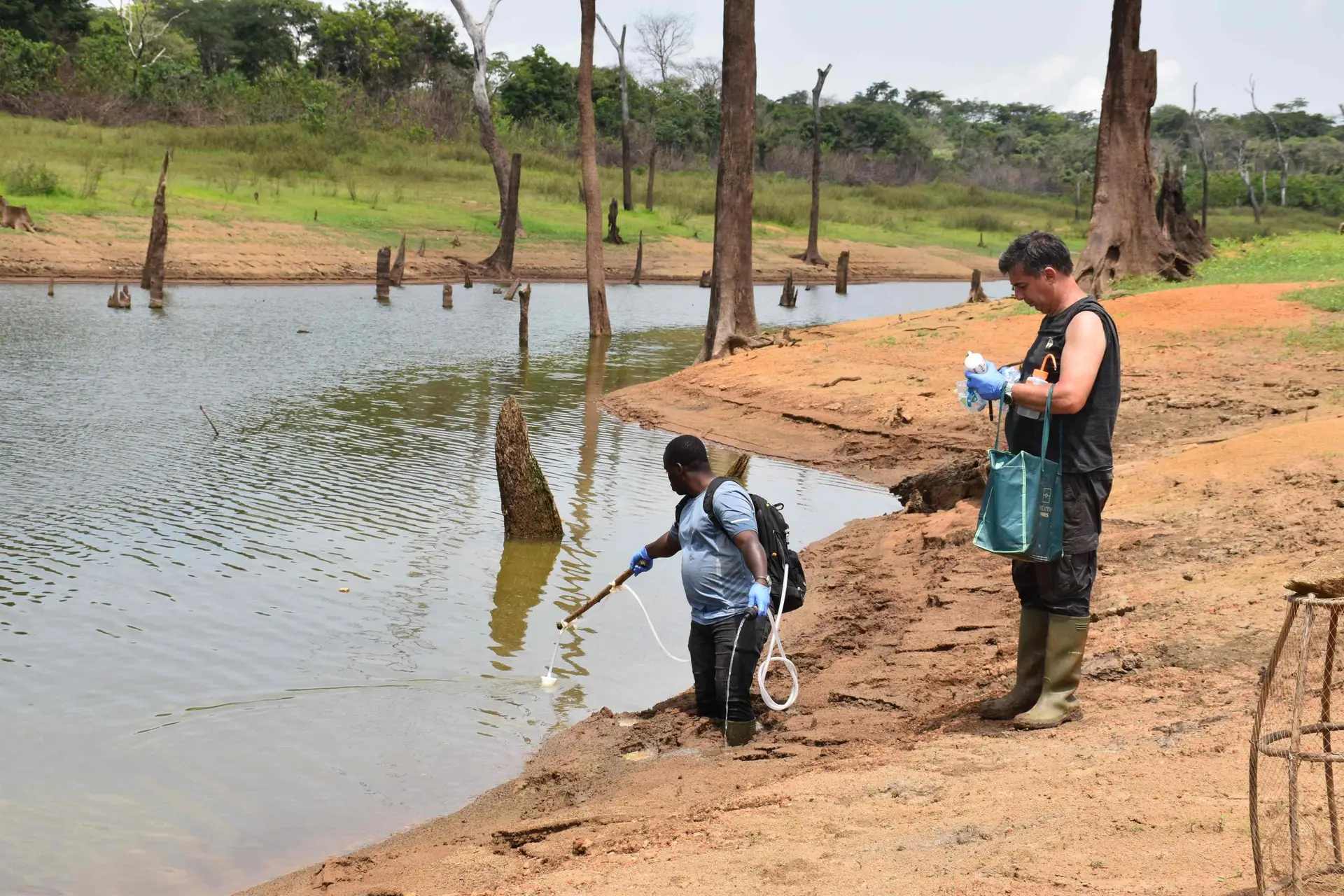
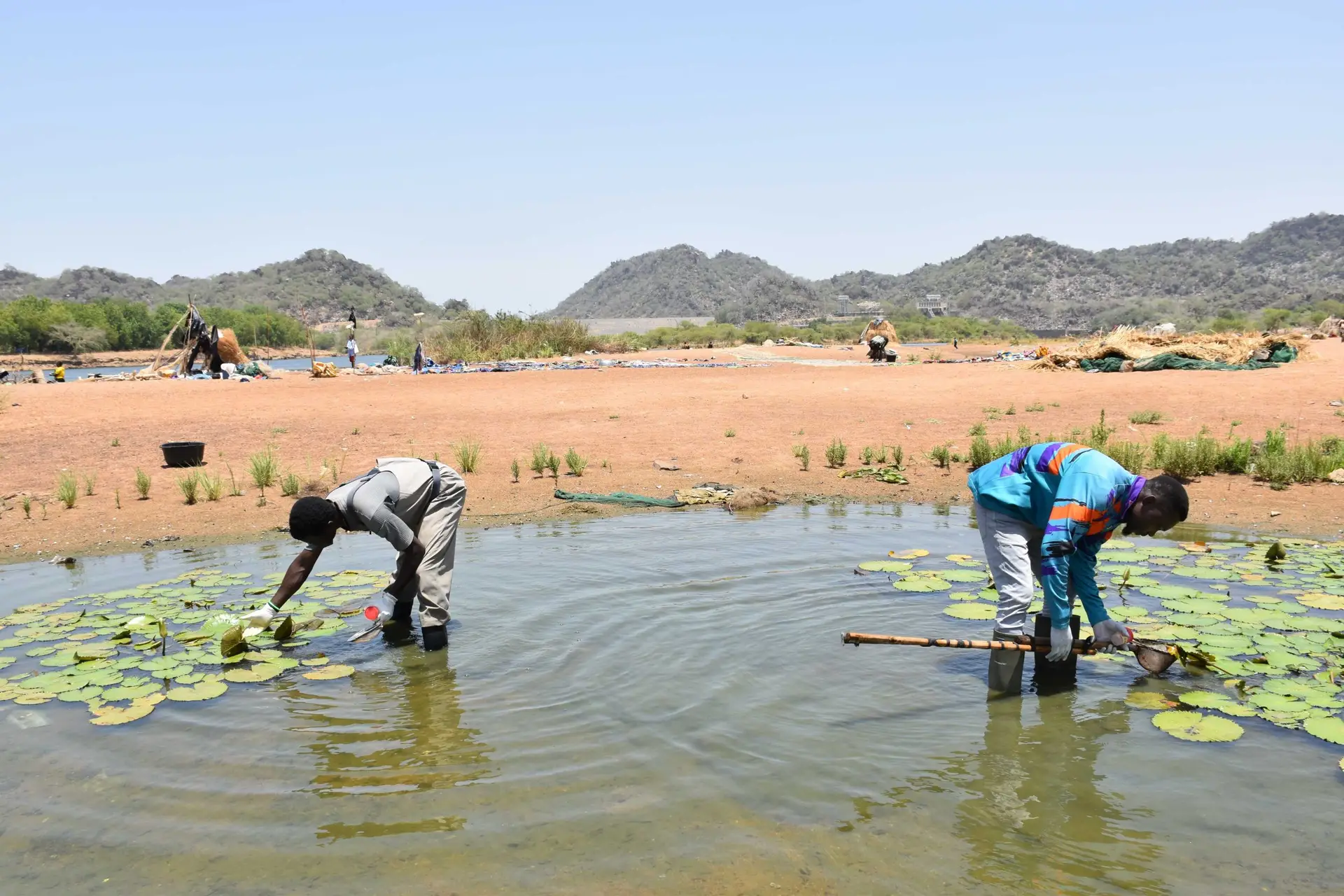
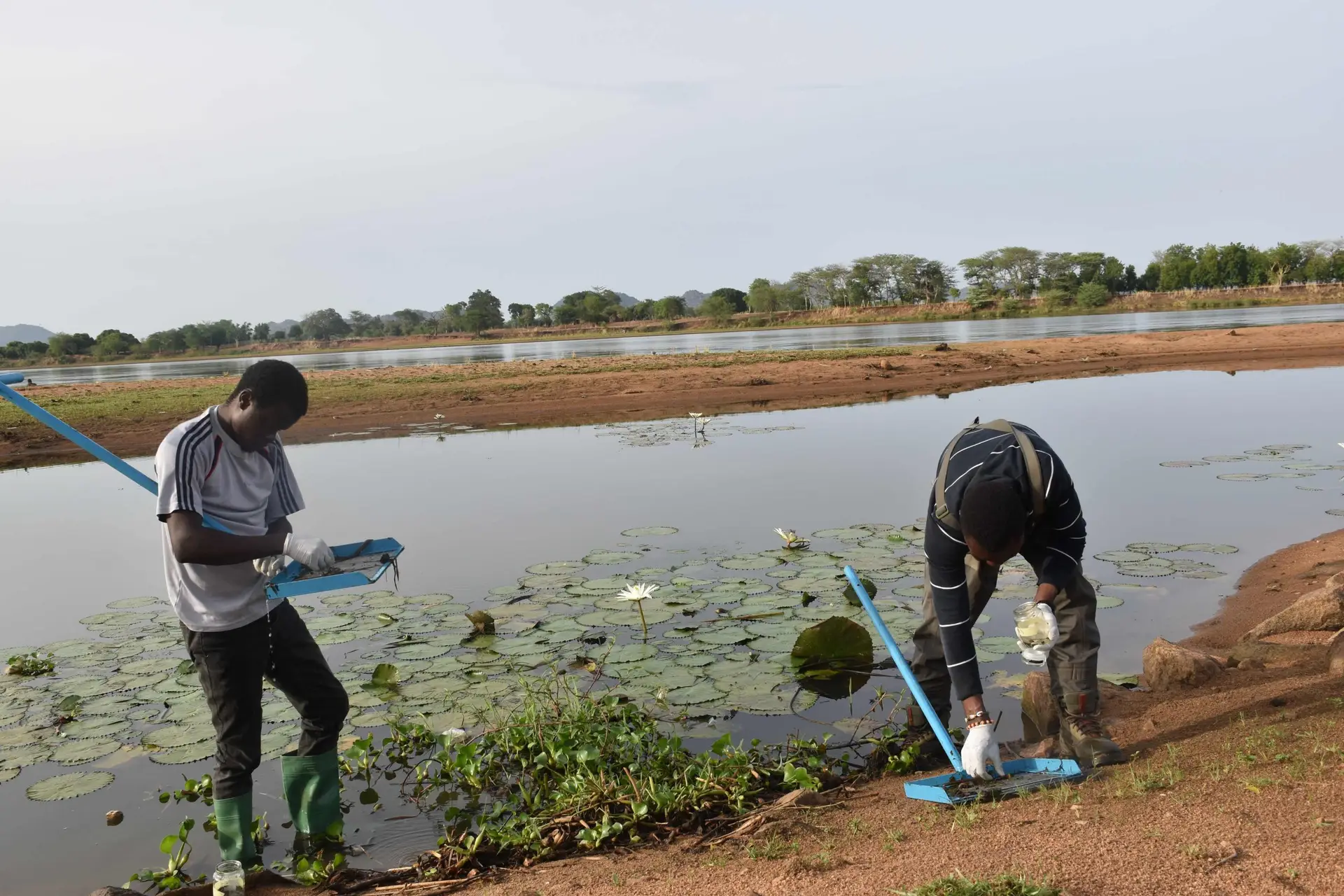
Assessment of infection prevalence, transmission dynamics, and snail host identification.

Polyparasitism

Study of co-infections and complex interactions between parasitic diseases.

Genetic Studies

Characterization of genetic factors influencing disease susceptibility.

Species Interactions

Investigation of hybridizations and interspecific competitions.

Genetic Diversity

Molecular characterization and host-parasite relationship analysis.

GIS Mapping

Risk zone mapping for targeted control interventions.

Drug Resistance

Monitoring drug efficacy and resistant strain surveillance.

Traditional Medicine

Testing anti-schistosomal activity of plant extracts.

Disease Management & Control

From evidence to coordinated action

Control Strategies

Development and implementation of effective control programs.

Deworming Impact

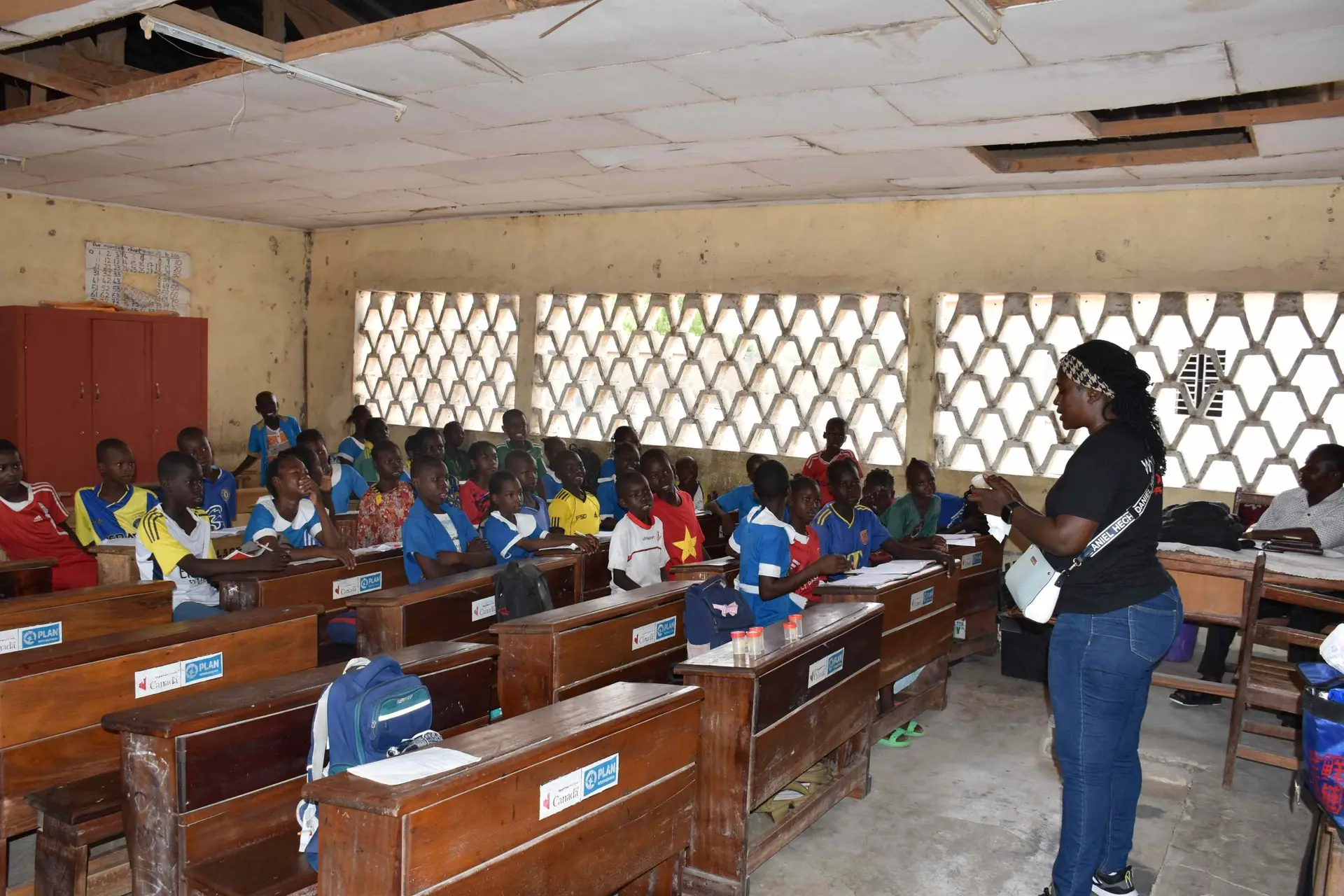
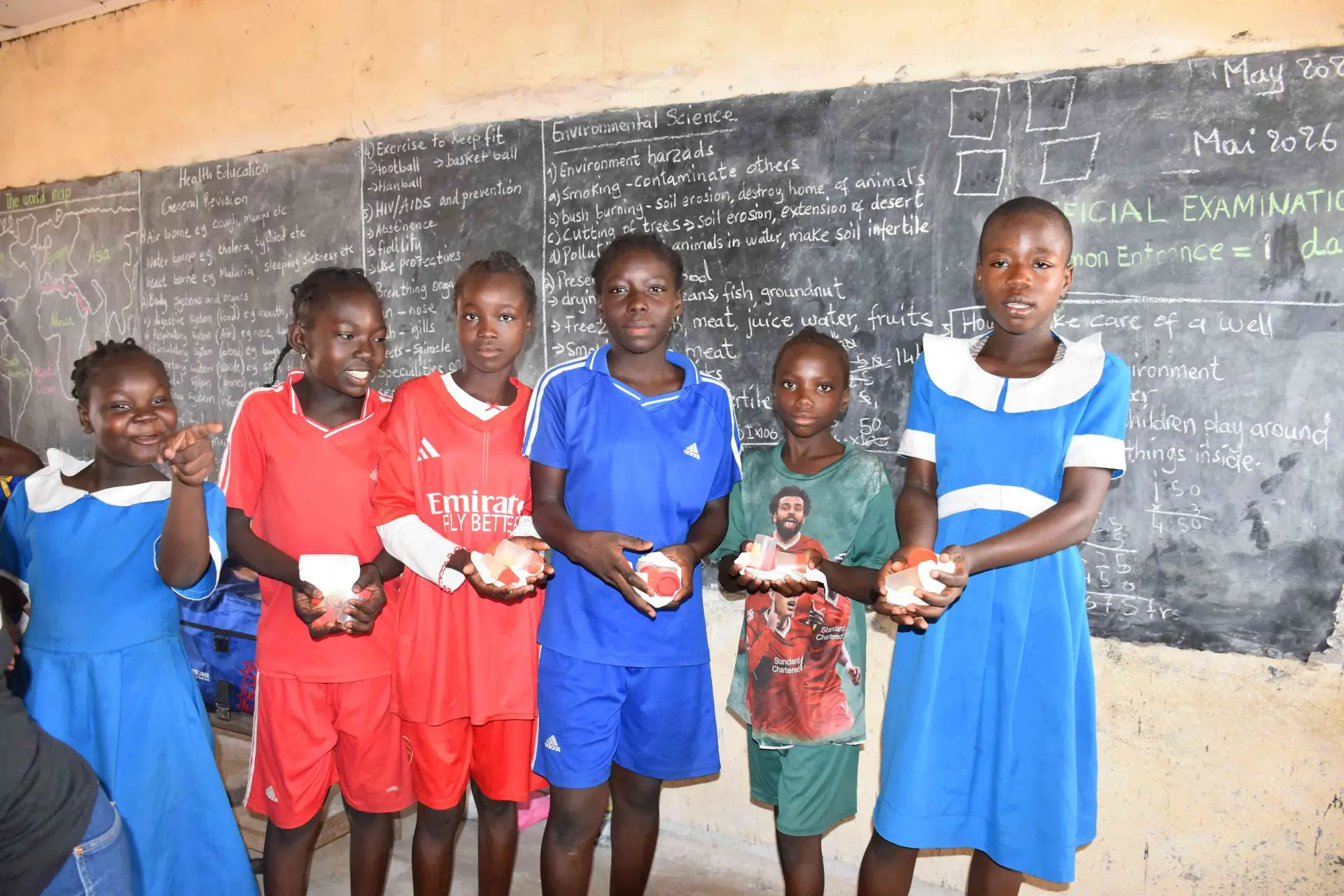
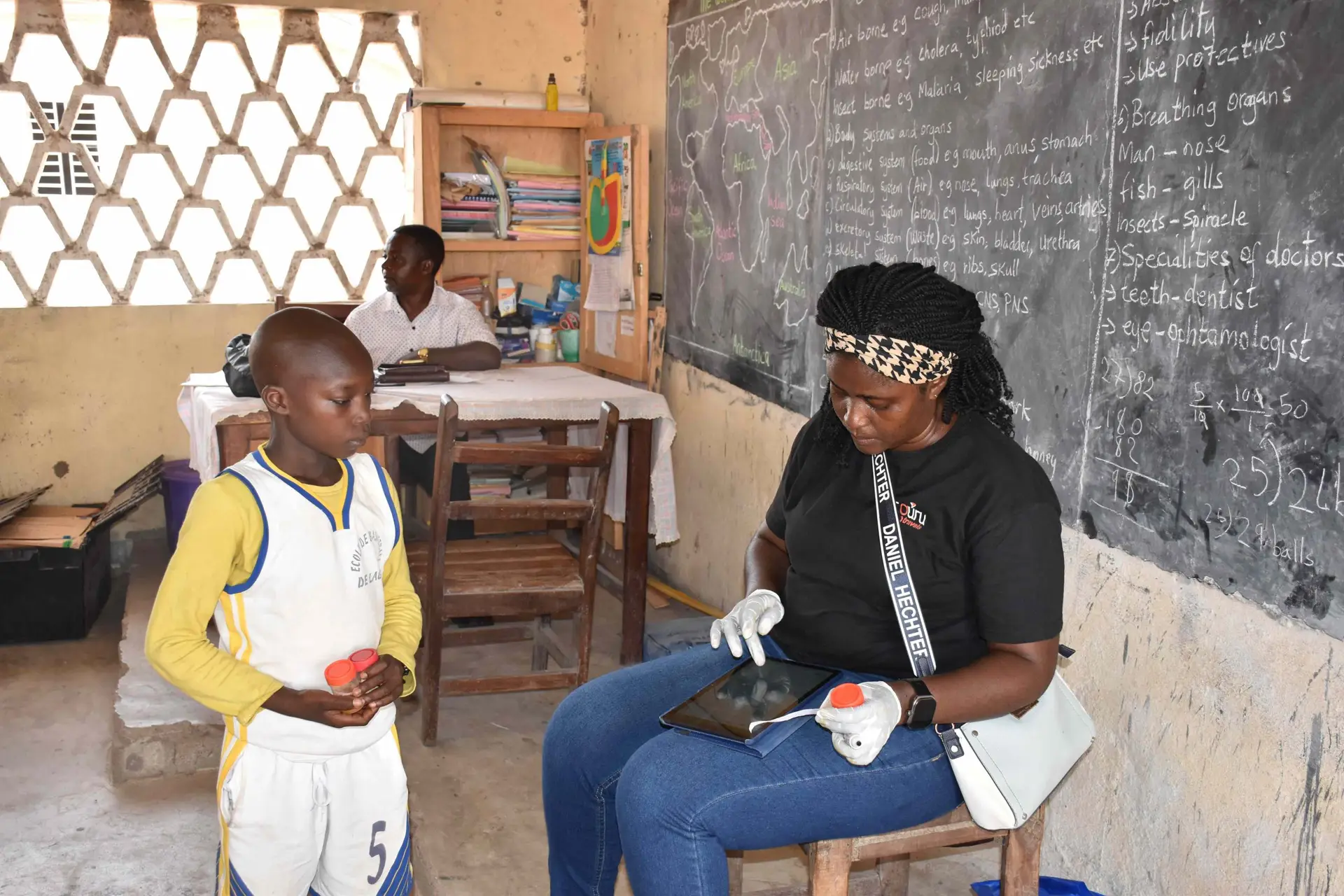
Annual campaigns showing positive results across endemic regions.

Capacity Building

Strengthening research teams and multidisciplinary partnerships.

Our Approach

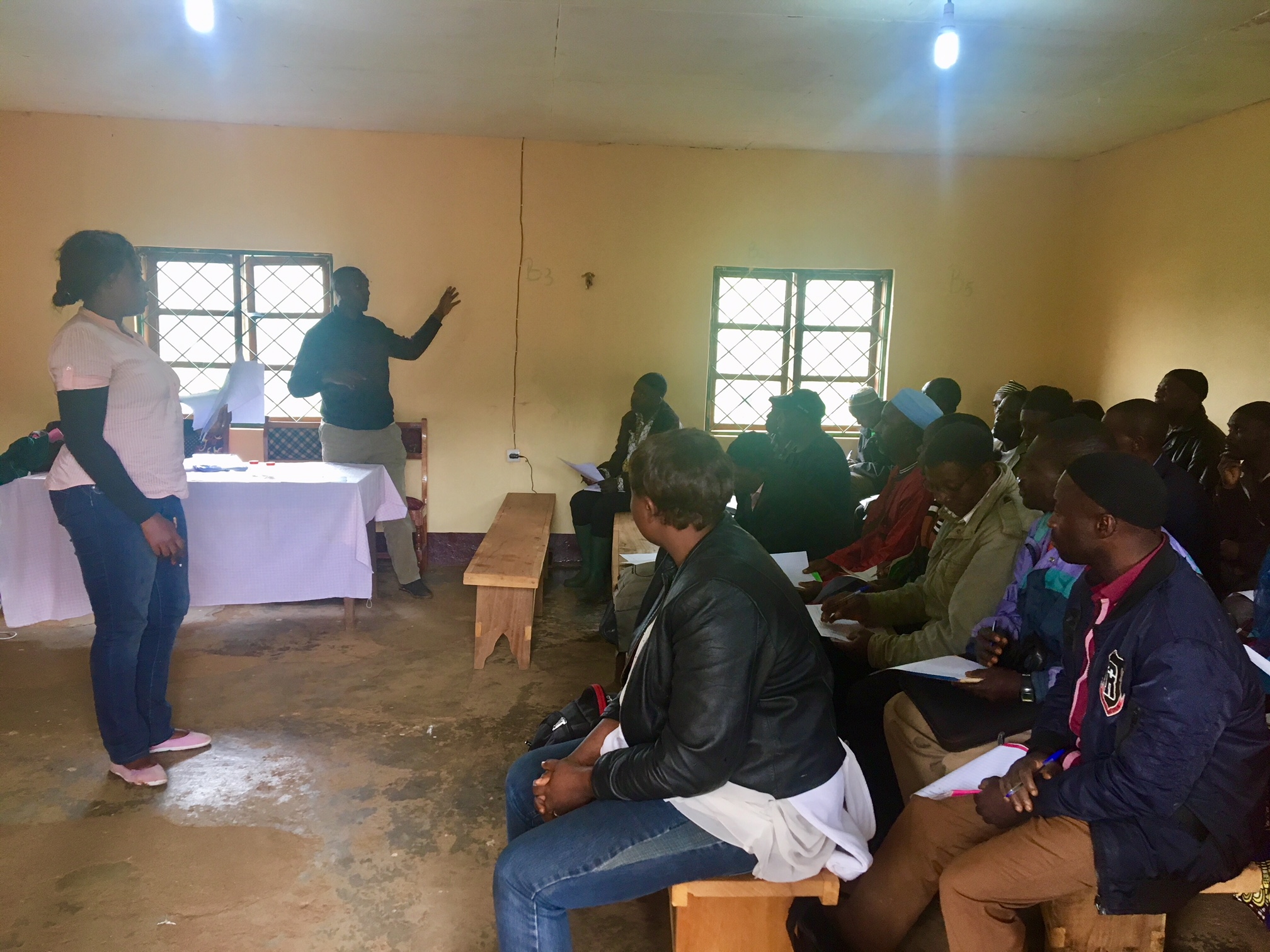
The Centre Schisto is particularly involved in the control of schistosomiasis and geohelminthiasis. We contribute to the development of control strategies and assist the National Programme in implementing control activities and operational research.

Proven Results

Recent mapping results demonstrate the positive impact of annual deworming campaigns in Cameroon, with measurable improvements in disease prevalence across endemic regions.

Voices from the Field

Hear from our team members and partners working to eliminate NTDs
Discover the concrete impact of our interventions through the testimonials of those who experience the change

"Working with CSP has empowered our community to take control of disease prevention. We've seen remarkable improvements in children's health."
Community Health Worker
"The CSP represents a model of excellence in NTD research and control in Africa, combining scientific rigor with practical field implementation."
Prof. Françoise Ntoumi
International Partner, WHO
"Through sustained research and community engagement, we are making significant progress towards eliminating schistosomiasis in Cameroon."
Dr. Louis-Albert Tchuem Tchuenté
Director, Centre for Schistosomiasis and Parasitology
"As a community health worker trained by CSP, I can now effectively identify and treat cases of schistosomiasis in my community."
Dr. Jean Mbarga
Community Health Worker, East
"The COUNTDOWN project has significantly reduced prevalence in our region. The results are visible and measurable."
Prof. Françoise Nkoa
Principal Researcher, University of Yaoundé

Our Team

Our Leadership Team

Prof Louis-Albert Tchuem Tchuenté

General Director

Prof. Marie Kouam

Research Director

Dr. Françoise Mbarga

Training Manager

Dr. Pierre Nkoa

Field Operations Manager

Support our actions
Join the Fight Against NTDs

Your donations fund diagnostics, applied research, and deworming campaigns that protect rural and urban communities. Your support helps us expand research, treatment programs, and community education to reach more people in need across Cameroon. Each contribution strengthens our ability to prevent complications and protect children exposed to parasites.

Direct Impact
• Equip mobile units with parasitic diagnostic kits
• Accelerate genomic research on emerging parasites
• Train local teams for continuous surveillance

Scroll to Top